
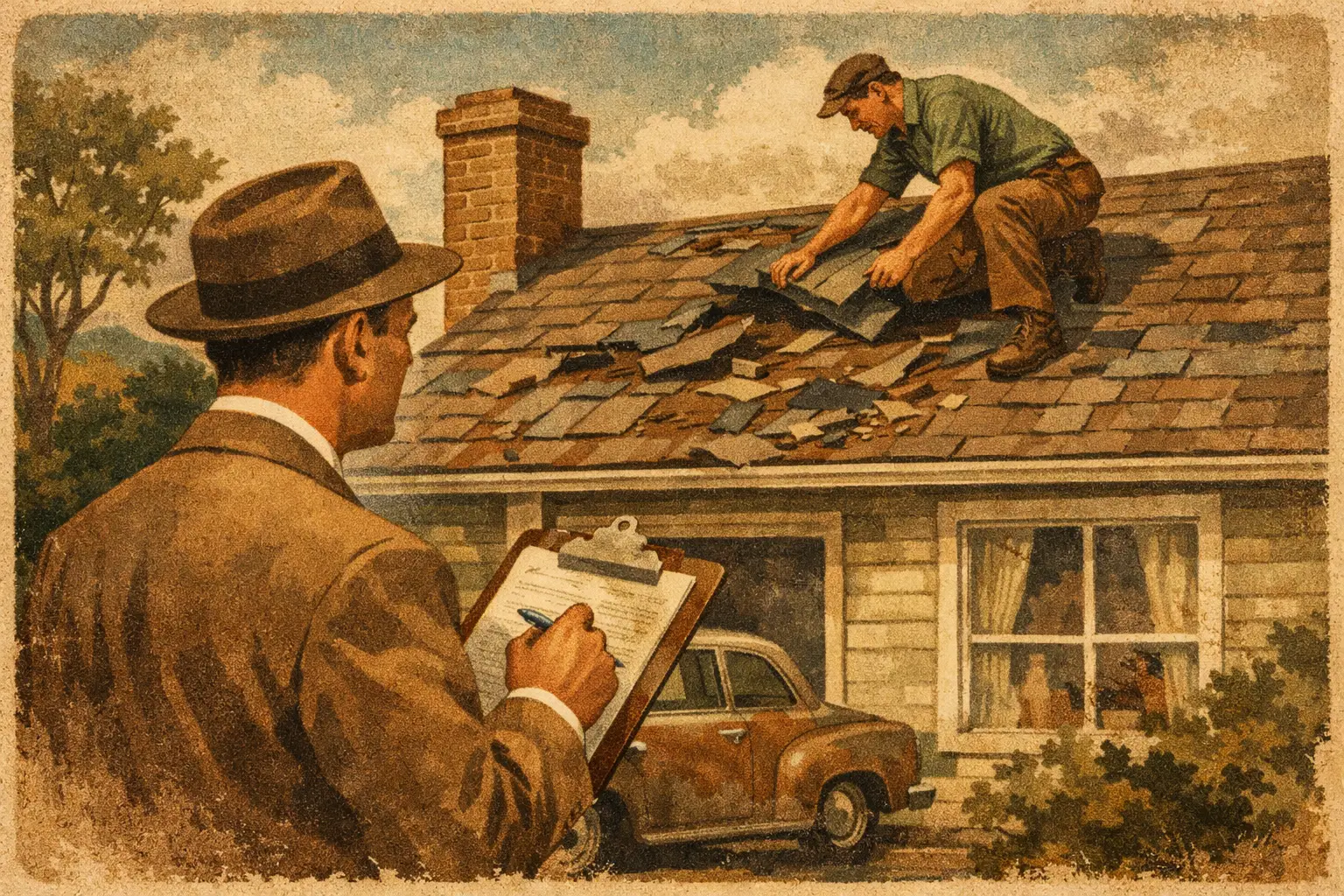
How to File an Insurance Claim After Roof Damage
A windstorm can leave a roof looking mostly intact from the ground while loosening shingles, exposing fasteners, or driving water beneath the surface. Filing an insurance claim after roof damage is often time-sensitive, and the steps you take in the first few days can protect both your property and your ability to document the loss clearly.
For homeowners, landlords, and commercial property managers in Rapid City and across the Black Hills, the goal is not to rush into a replacement decision. It is to make the property safe, prevent additional damage, and give your insurer accurate information about what happened.
Start With Safety and Temporary Protection
Do not climb onto a storm-damaged roof to investigate it. Loose shingles, wet decking, hidden structural damage, and downed power lines can make a close inspection dangerous. From the ground, look for obvious signs such as missing shingles, lifted flashing, damaged gutters, fallen branches, or debris around the building.
If water is entering the property, take reasonable steps to limit further damage. Move furniture and electronics, place containers beneath active leaks, and photograph affected ceilings, walls, flooring, or inventory. A qualified roofing contractor can install an emergency tarp or other temporary protection when needed.
Keep receipts for reasonable emergency measures. Most insurance policies require policyholders to protect the property from additional damage after a covered event. That does not mean you should begin a full roof replacement before the claim is reviewed. Temporary protection and permanent repairs are different decisions.
Document the Damage Before Repairs Begin
Good documentation gives the adjuster a clear record of the roof’s condition and the impact inside the property. Take wide photos of each side of the building, then closer photos of visible damage. Capture damaged gutters, siding, vents, skylights, screens, exterior equipment, and interior water staining as well.
Write down the date and approximate time of the storm, along with what you observed. If hail, high winds, or falling tree limbs affected the area, note that information without guessing at the cause of damage. Your contractor can document roofing conditions, but the insurance company determines coverage under your policy.
For commercial properties, include a record of any business interruption, damaged stock, tenant complaints, or areas that have been closed for safety. Separate photographs and notes by building or unit when possible. Organized records can reduce confusion when multiple roof sections, tenants, or stakeholders are involved.
Contact Your Insurance Company Promptly
Call your insurance carrier or use its claims process as soon as you have identified possible storm damage. Have your policy number, property address, date of loss, and a short description of the issue ready. Ask for a claim number and write down the name and contact information of the person handling the claim.
Your insurer may arrange for an adjuster to inspect the property, request photos, or ask you to obtain repair estimates. Follow the instructions you receive, but do not assume a verbal conversation is enough. Keep copies of emails, claim notes, estimates, invoices, photos, and receipts in one place.
It also helps to ask direct questions early. Find out what your deductible is, whether your policy pays actual cash value or replacement cost value, and whether there are separate deductibles for wind or hail. In South Dakota, policy details can vary widely, so the answer depends on the coverage you selected and the specific cause of loss.
Understanding an Insurance Claim After Roof Damage
A claim is not automatically approved because a roof has damage. Insurers generally evaluate the cause, the age and condition of the roof, the policy language, exclusions, deductible, and whether the reported damage resulted from a covered event.
For example, sudden wind damage may be covered under many policies, while long-term wear, improper installation, poor maintenance, or a slow leak may not be. Hail impacts can be difficult to spot from the ground, and shingles can look worn even when a recent storm has caused functional damage. This is why a professional storm damage roof inspection is useful before you make major decisions.
Depreciation is another common point of confusion. An actual cash value policy may pay the depreciated value of damaged materials, less your deductible. A replacement cost policy may initially pay a portion of the approved amount and release additional recoverable depreciation after completed work and required documentation are submitted. Read your policy and ask your carrier to explain the payment process in writing.
Schedule a Professional Roof Inspection
An experienced local contractor can inspect the roof safely and identify storm-related conditions that may not be visible from the yard. The inspection should cover shingles or other roofing materials, flashing, vents, valleys, ridge areas, gutters, drainage components, roof penetrations, and accessible attic or interior signs of water intrusion.
A contractor’s role is to provide an informed assessment of the property and a detailed scope for necessary roof repairs or roof replacement. They should not promise that insurance will pay for the work or tell you to hide pre-existing conditions. Straight answers are especially important when a large investment is involved.
Good Guys Exteriors helps property owners understand the condition of their roofing systems and prepare for the repair process with clear communication and organized job sites. A thorough inspection can also help identify related exterior concerns, such as damaged gutters or siding, before they lead to bigger water-management problems.
Meet the Adjuster Prepared
When the adjuster’s inspection is scheduled, have your claim number, photos, notes, and contractor documentation available. If your roofing contractor can be present, they can point out roof components and damage areas that may be difficult to identify without construction experience. The adjuster still makes the coverage decision, but a complete inspection helps ensure the roof is evaluated carefully.
Do not feel pressured to sign a repair contract during the adjuster visit. First, wait for the insurer’s written estimate or claim decision. Review the scope line by line to see what materials, labor, accessories, and related damage are included.
Roofing estimates can differ because one scope includes items another misses. Flashing, underlayment, drip edge, ventilation, ice-and-water protection, decking repairs, gutters, and code-required upgrades may all affect the final project cost. Some items may be included by the carrier, while others may need further documentation or may be the property owner’s responsibility.
Review the Scope Before Work Is Scheduled
Once you receive the insurance estimate, compare it with the contractor’s findings. A lower estimate does not always mean the roof can be completed correctly for that amount. It may simply mean the scope is incomplete or based on different measurements, materials, or local requirements.
If a legitimate covered item was overlooked, your contractor may provide supporting documentation for a supplement request. Supplements are not a way to inflate a claim. They are used when additional covered damage or necessary work is discovered and properly documented. Approval remains with the insurer.
Before construction begins, make sure you understand your deductible, the payment schedule, selected materials, warranties, and any costs not covered by insurance. A trustworthy contractor will put the work scope in writing and explain what will happen if concealed damage, such as rotten decking, is found after old materials are removed.
Avoid Common Claim Mistakes
Storm damage creates urgency, and that can make property owners vulnerable to poor advice. Avoid signing with a contractor who arrives uninvited and demands an immediate commitment. Be cautious of anyone who offers to waive or cover your deductible through questionable paperwork, guarantees claim approval, or asks you to sign an assignment of benefits without a clear explanation.
It is also a mistake to delay inspection because the roof is not leaking yet. Wind and hail damage can shorten a roof’s service life or create small openings that become leaks during the next rain or snow event. On the other hand, replacing a roof solely because it is old may not qualify as an insurance loss. The facts matter.
For multifamily and commercial buildings, communicate early with tenants, maintenance teams, and ownership groups. Restrict access around active work areas, protect parked vehicles and equipment, and plan the project around business operations when possible. A clean, organized site matters for safety as much as convenience.
If the Claim Is Denied or the Payment Seems Too Low
A denial or low initial payment does not always end the conversation. Read the insurer’s written explanation and compare it with the inspection findings. Ask what evidence or policy provision supported the decision. If new information is available, you can request that the carrier review it.
Keep the discussion factual and documented. Your contractor can provide photos, measurements, repair recommendations, and a detailed estimate. For difficult claim disputes, you may also choose to speak with your insurance agent, a public adjuster, or an attorney who understands property insurance. The right next step depends on the policy, the amount at issue, and the complexity of the damage.
A damaged roof is stressful, but the process becomes more manageable when you protect the property, document what you see, and work with professionals who communicate clearly. Start with a careful inspection, ask questions before signing, and choose repairs that keep your home or business ready for the next Black Hills storm. If you need a professional assessment, request a free roof inspection from Good Guys Exteriors.