
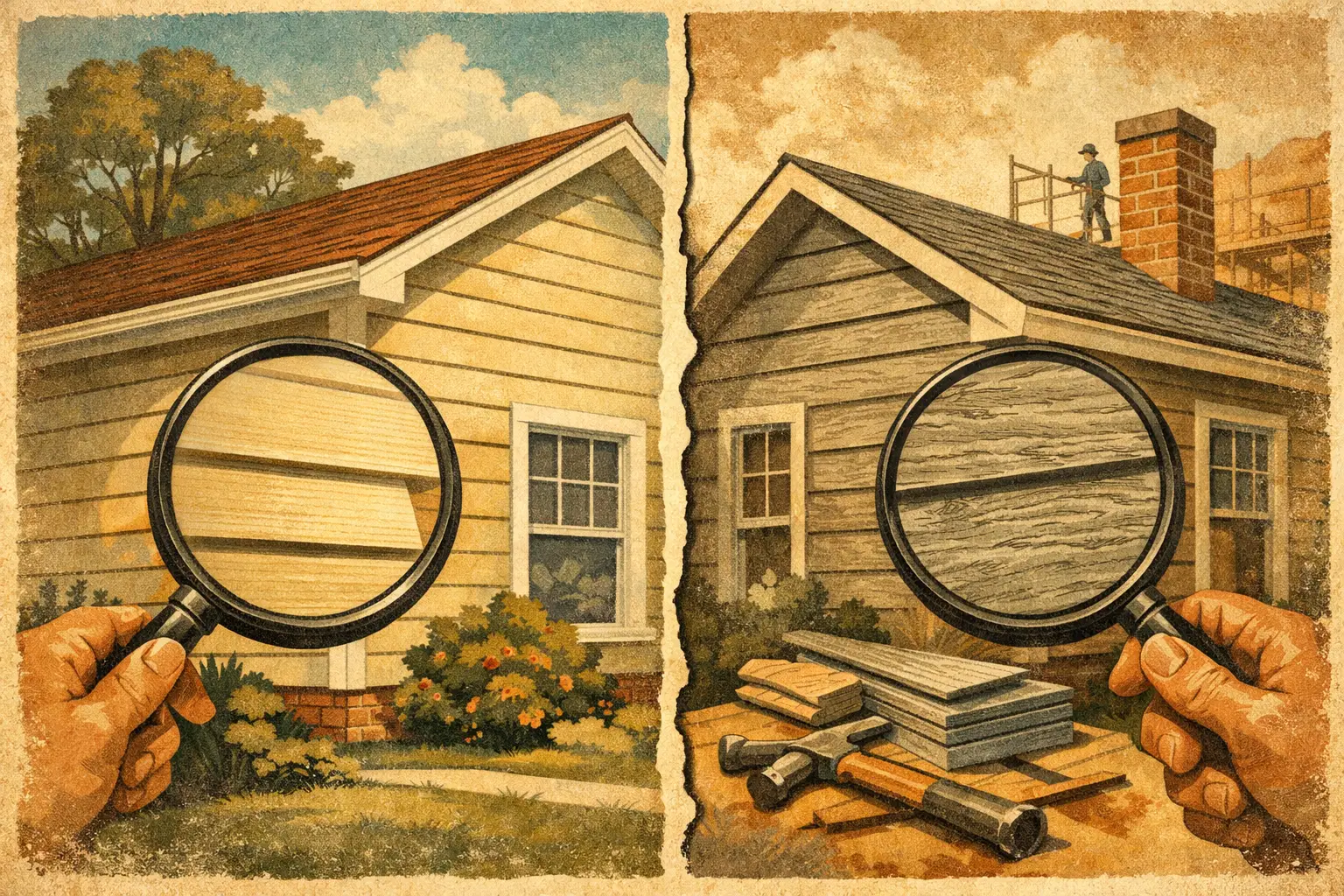
Vinyl Versus Fiber Cement Siding: Which Fits?
A siding decision in the Black Hills is not just about picking a color you like. Your exterior needs to stand up to hard sun, sudden temperature swings, wind, hail, snow, and the everyday wear that comes with living in western South Dakota. When comparing vinyl versus fiber cement siding, the better choice depends on your budget, your property’s condition, and how much maintenance you are willing to take on over time.
Both materials can improve curb appeal and help protect the wall system beneath them. They are not interchangeable, though. Vinyl is generally the more budget-friendly, low-maintenance option. Fiber cement offers a more substantial look and strong resistance to fire, insects, and impact, but it requires a larger upfront investment and more involved installation.
Vinyl Versus Fiber Cement Siding at a Glance
Vinyl siding is made from polyvinyl chloride, or PVC. It is lightweight, available in many profiles and colors, and typically installs faster than heavier siding materials. For homeowners who want a clean update without stretching the project budget, vinyl is often a practical fit.
Fiber cement siding is made from a mixture of cement, sand, cellulose fibers, and water. It is manufactured in boards, panels, and shingle-style products that can resemble painted wood. Because it is heavier and needs careful cutting, fastening, flashing, and sealing, installation is more labor-intensive.
The right comparison is not simply which product is “best.” It is which product makes sense for your home or commercial property, the exposure it receives, and the condition of the exterior underneath the old siding.
Upfront Cost and Long-Term Value
Vinyl usually has the lower installed cost. The material itself is often less expensive, and its lighter weight can reduce labor time. That makes it attractive for rental properties, budget-conscious exterior updates, and projects where a homeowner also needs to reserve funds for roofing, gutters, windows, or repairs.
Fiber cement generally costs more because the material is heavier, installation requires more precision, and the work takes longer. The siding must be properly spaced, flashed, caulked where appropriate, and protected at cut edges. It is not a material to rush.
A higher initial cost does not automatically make fiber cement the better value. If vinyl gives you the appearance, protection, and maintenance level you need, it can be a smart investment. On the other hand, a property owner planning to stay for many years may feel that fiber cement’s appearance and durability justify the added expense.
Before comparing siding quotes, make sure each proposal covers the same scope of work. Ask whether it includes removal and disposal of existing siding, wall repairs, housewrap or weather-resistive barrier work, trim, flashing, soffit and fascia details, and cleanup. The lowest number is not always the lowest complete cost.
Weather Performance in Rapid City and the Black Hills
Local weather should carry real weight in this decision. Siding is part of a larger exterior system. It helps shed water and protects the wall assembly, but its performance depends on correct installation and proper details around windows, doors, rooflines, and penetrations.
Vinyl can perform well through changing seasons, especially when it is installed with room for normal expansion and contraction. Because vinyl moves as temperatures change, installers cannot fasten it too tightly. Incorrect fastening can lead to buckling, waviness, or panels that do not sit correctly.
Vinyl may be more vulnerable to cracking from a severe impact when temperatures are very cold. Hail, flying debris, and accidental contact from equipment can also damage a panel. The good news is that individual sections can often be replaced, although matching older faded colors can be difficult.
Fiber cement is valued for its resistance to rot, insects, and fire. It also holds up well against many types of weather exposure when installed and maintained according to manufacturer requirements. Its solid construction can be a strong fit for homeowners who want a more substantial exterior in high-wind or hail-prone areas.
However, fiber cement is not maintenance-free or damage-proof. It can crack from significant impact, and it must be kept properly painted or finished. Water management still matters. If moisture gets behind any siding because of failed flashing, poor drainage, or neglected caulk joints, the wall system can suffer regardless of the cladding material.
Appearance and Curb Appeal
Vinyl siding has come a long way in color and profile choices. Homeowners can choose traditional lap siding, vertical panels, shake-style accents, and coordinating trim. It creates a neat, consistent appearance and is especially effective for straightforward home designs.
The trade-off is that vinyl can look less dimensional than painted wood or fiber cement, particularly at close range. Thinner products may show more waviness if the wall beneath is uneven. Choosing a quality product and addressing wall repairs before installation can make a noticeable difference in the finished result.
Fiber cement is often selected for its architectural appearance. It can mimic wood lap siding, board-and-batten, shingles, and smooth contemporary panels. It accepts paint well, which gives property owners more flexibility when they want a specific exterior color or plan to repaint later.
For historic-style homes, higher-end residential properties, and buildings where exterior character is a major consideration, fiber cement may provide the look owners want. For a clean, efficient refresh with fewer finish decisions over the years, vinyl can be the more comfortable choice.
Maintenance Requirements
Vinyl is one of the lowest-maintenance siding options available. It does not need routine painting. Periodic washing with a soft brush or low-pressure rinse can remove dust, pollen, and surface grime. Avoid high-pressure washing that can force water behind panels or damage the siding.
You should still inspect vinyl siding after major storms and watch for loose panels, cracks, gaps around trim, or openings where pests could enter. Siding maintenance is not only about keeping the exterior attractive. Small problems around flashing and trim can become larger moisture problems if left alone.
Fiber cement requires more ongoing attention because painted finishes wear over time. Depending on the product, finish quality, exposure, and installation details, it may eventually need repainting and caulk maintenance. That is not necessarily a drawback. Some owners prefer the ability to refresh the color rather than live with the original color for decades.
Maintenance should be viewed honestly. If repainting and periodic exterior inspections are unlikely to happen, vinyl may be the better fit. If you are prepared to maintain a painted exterior and want fiber cement’s look, the added care can be worthwhile.
Installation Matters as Much as Material
The quality of the installation affects how either siding performs. A contractor should inspect the sheathing, trim, window and door openings, and any signs of moisture damage before covering the walls. Installing new siding over hidden rot or deteriorated flashing does not solve the underlying problem.
Fiber cement particularly requires experienced handling. It is heavy, can create silica dust when cut, and needs manufacturer-specific fastening and clearance details. Vinyl has its own technical requirements, including correct nailing, panel overlap, starter strips, and J-channel installation.
For commercial buildings and multifamily properties, project planning is equally important. Occupant access, parking, noise, material staging, and daily site cleanup should be considered before work begins. An organized exterior project protects the building and minimizes disruption for the people who use it.
When Vinyl Is the Better Choice
Vinyl often makes sense when cost control and low maintenance are the top priorities. It is a strong option for homeowners replacing worn siding, landlords improving a rental property, and owners who want a dependable exterior update without adding future painting to their to-do list.
It can also be a good choice when the siding design is simple and the property does not require a highly customized architectural finish. Select a profile and color that fit the home, and make sure the underlying wall, trim, and drainage details are addressed before installation.
When Fiber Cement Is Worth Considering
Fiber cement is often worth the investment when appearance, fire resistance, and a wood-like finish are central to the project. It can be a good fit for owners who plan to remain in the property long term, want greater design flexibility, or are updating a home where exterior character matters.
It is also a sensible choice when the project includes significant trim, window, or wall repairs. Since the exterior is already being opened up, it is an opportunity to correct water-management details and build a more complete siding system around the material you choose.
A good siding project should leave you with more than a better-looking building. It should give you confidence when the next Black Hills storm rolls through. Good Guys Exteriors can help you evaluate the condition of your exterior, understand the trade-offs, and choose siding that fits your property and your plans for it.