
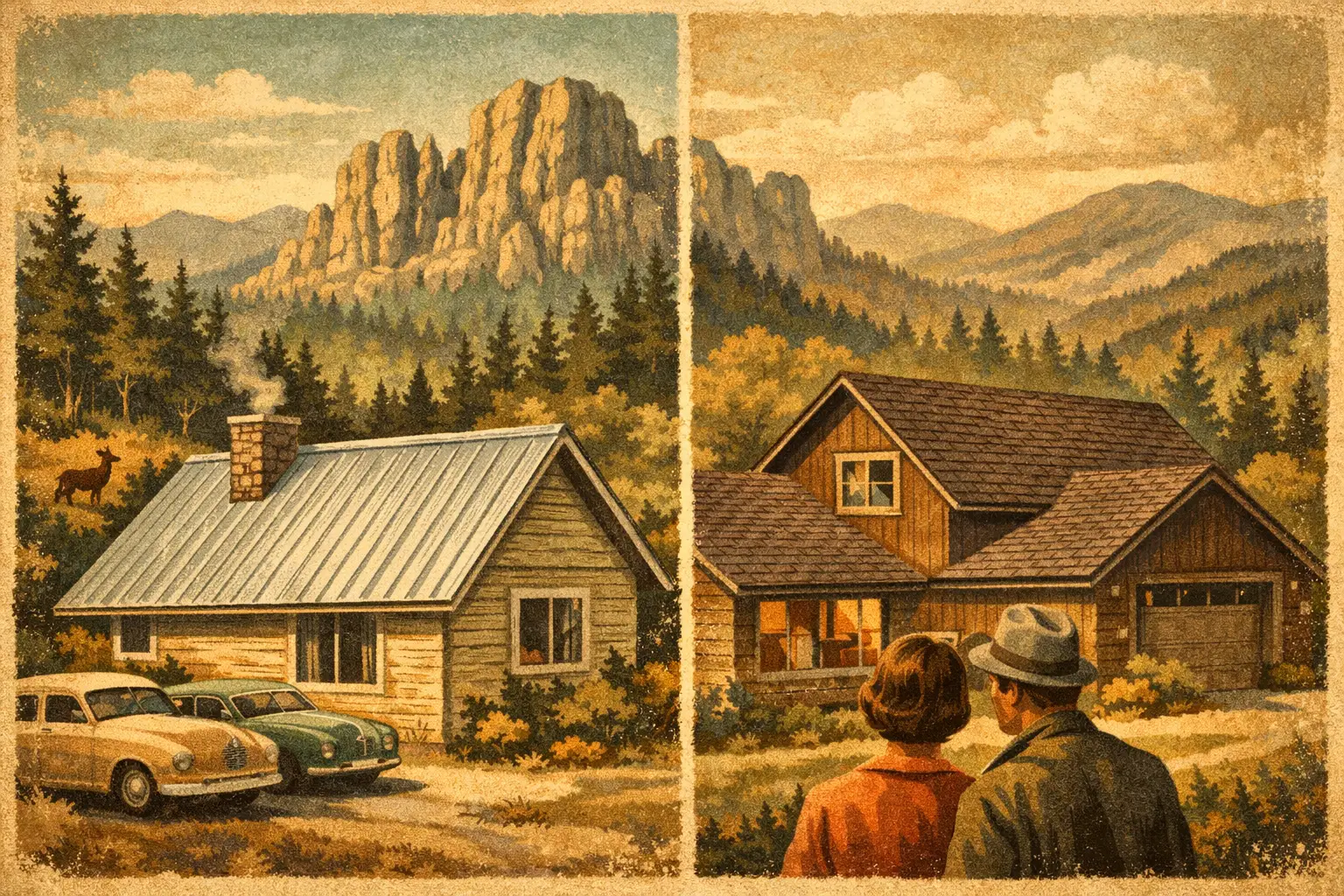
Metal Versus Asphalt Roofing for Black Hills Homes
A roof in the Black Hills has to do more than look good from the street. It needs to stand up to hail, heavy snow, strong winds, rapid temperature swings, and long stretches of sun. The decision between metal versus asphalt roofing comes down to your property, budget, long-term plans, and the type of protection you expect from the investment.
Both materials can be excellent choices when they are properly selected and professionally installed. Asphalt shingles remain the most common roofing material for homes in the Rapid City area because they are familiar, versatile, and cost-effective. Metal roofing costs more up front, but it can offer exceptional longevity and weather performance for owners planning to stay in place for decades.
Metal Versus Asphalt Roofing: Start With the Real Cost
The first difference most property owners notice is the installation price. An asphalt shingle roof generally has a lower initial cost, making it a practical option when a roof needs replacement now and the budget needs to stay controlled. There are also many shingle styles and price points, from standard three-tab shingles to thicker architectural shingles designed for greater visual depth and durability.
Metal roofing usually requires a larger initial investment. Material costs, specialized trim, underlayment, and installation labor can all add to the price. A standing-seam metal roof, for example, is a premium system that requires careful layout and experienced installation to manage expansion, flashing, and penetrations correctly.
That upfront comparison does not tell the whole story. A metal roof may last significantly longer than an asphalt roof, which can reduce the likelihood of paying for another full replacement during your ownership. Asphalt can still be the better value if you expect to sell in the near future, need to manage immediate costs, or have a roof design that makes a metal system less practical.
Lifespan Depends on Material and Installation
A quality asphalt shingle roof often provides roughly 20 to 30 years of service, although its actual life depends on shingle grade, attic ventilation, storm exposure, maintenance, and installation quality. Hail or wind damage can shorten that timeline. Higher-quality architectural shingles are often a strong choice for homeowners who want better appearance and performance without moving into metal pricing.
Metal roofing can last 40 to 70 years or more, depending on the product, coating, panel style, local conditions, and ongoing care. It resists rot and insects, and it does not lose granules over time as asphalt shingles do. Still, metal is not maintenance-free. Fasteners, sealants, flashings, and roof penetrations should be inspected periodically, particularly after severe weather.
No roofing material can make up for poor workmanship. A roof is a system, not just the visible surface. Proper deck preparation, ventilation, ice and water protection where needed, flashing details, and clean transitions around chimneys, skylights, and vents all play a major role in how long the roof performs.
Hail, Wind, and Snow Matter in the Black Hills
For Black Hills property owners, weather performance is often the deciding factor. Asphalt shingles are available in impact-resistant options that may hold up better against hail than basic shingles. These products can be a sensible middle ground for owners who want stronger storm protection while keeping the familiar look and lower cost of shingles.
Metal roofing can perform very well in high winds when it is engineered and installed correctly. Its interlocking panels and fastening systems provide dependable resistance to wind uplift. Metal will not absorb moisture, and its smooth surface can help snow slide off more readily.
That snow-shedding benefit needs planning. Snow that slides from a steep metal roof can come down quickly and heavily. Snow guards may be needed over walkways, entries, decks, driveways, or equipment. A contractor should consider where snow will land before installation, not after the first major storm.
Hail is more nuanced. Metal roofing may resist punctures well, but hail can leave visible dents, particularly on softer metal products or exposed areas. Asphalt shingles may lose granules, crack, or bruise after a hailstorm. The best option depends on the specific product rating, roof slope, surrounding exposure, and whether cosmetic damage or water-shedding performance is your primary concern.
Appearance and Curb Appeal Are Practical Considerations
Asphalt shingles work with nearly any home style, from traditional ranch homes to newer construction. They come in a wide selection of colors, textures, and profiles, so it is usually easy to coordinate the roof with siding, stone, gutters, and trim. For homeowners preparing to sell, a clean architectural shingle roof often delivers broad curb appeal without changing the character of the home.
Metal roofing has expanded far beyond the utilitarian look many people remember. Standing seam panels offer clean lines that fit modern homes, cabins, agricultural buildings, and commercial properties. Metal shingles, shakes, and stone-coated systems can provide a more traditional appearance while delivering some of metal’s performance advantages.
Color selection deserves careful attention in either material. A roof is one of the largest visible parts of a building, and it should work with the property’s exterior rather than compete with it. Local neighborhood standards, homeowners association requirements, and commercial design needs may also influence the decision.
Energy Use, Noise, and Everyday Comfort
A properly installed metal roof can reflect more solar heat than a dark asphalt roof, especially when paired with an appropriate finish and ventilation plan. That may help reduce cooling demand during sunny South Dakota summers. Energy performance also depends on insulation, attic airflow, window quality, and the rest of the building envelope, so roofing material alone should not carry the entire expectation.
Some owners worry that rain will be louder on metal. With solid roof decking, underlayment, attic insulation, and finished ceilings, the difference inside a home is often much less noticeable than expected. On open structures or buildings with less insulation, rain noise can be more apparent.
Asphalt shingles are generally quiet and familiar under changing weather conditions. They also work well on many complex roof designs. A roof with numerous valleys, dormers, skylights, and intersecting planes can require more cutting and detailed flashing with either system, but the complexity may affect the price of metal more substantially.
Repairs and Future Ownership Plans
Asphalt shingle repairs can be relatively straightforward when matching materials are available. Replacing damaged shingles after a localized wind event is often easier than replacing a broad roofing section. However, color fading and discontinued shingle lines can make repairs more visible on an older roof.
Metal panels are durable, but repairs require the right approach. Matching an existing panel’s color and profile can be challenging after years of weathering, and improper work around screws, seams, or flashing can create water-entry points. This is one reason to choose a contractor familiar with the specific metal system being installed.
For commercial owners and property managers, the calculation may focus on service life, maintenance planning, tenant disruption, and long-term capital costs. A metal roof can make sense for a building expected to remain in service for decades. An asphalt system may be the right fit for a property with budget constraints, a more complex roof layout, or a planned sale or redevelopment timeline.
How to Make the Right Roofing Decision
There is no single winner for every property. Choose asphalt when you want reliable protection, a lower initial cost, broad style options, and a proven solution for a typical residential roof. Consider metal when long service life, wind performance, distinctive appearance, and long-term ownership value outweigh the higher initial investment.
Before deciding, have the roof inspected and discuss the full system, not just the surface material. Ask about the condition of the decking, ventilation needs, flashing, drainage, snow management, impact ratings, manufacturer warranties, and how the installation will protect landscaping and keep the job site organized. A clear proposal should explain what is being installed and why it fits your property.
At Good Guys Exteriors, the goal is not to push one material over another. It is to help Black Hills property owners choose a roof that protects the people, business, or tenants beneath it. A well-planned roof replacement gives you more than a new exterior finish. It gives you confidence before the next storm rolls across town.