
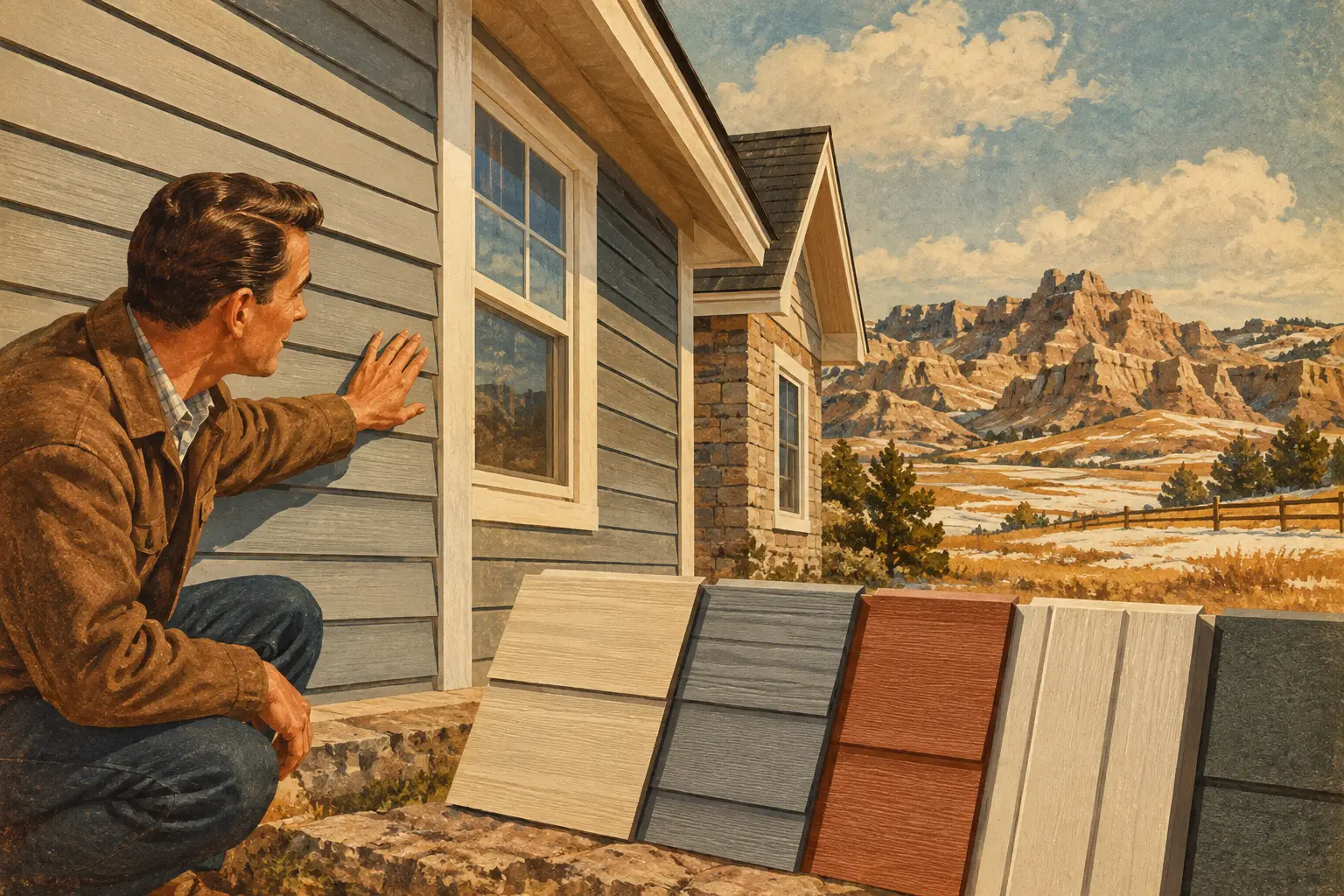
Best Siding Options for Durability in South Dakota
A siding choice in the Black Hills has to stand up to more than a good first impression. It may face hail, high winds, hard winter freezes, intense sun, and sudden temperature swings in the same year. The best siding options for durability are the ones that fit those conditions, are installed correctly, and receive the level of upkeep a property owner can realistically provide.
A durable exterior protects the wall system beneath it from water and wind while preserving the appearance and value of the property. Material matters, but so do flashing details, trim, ventilation, and the condition of the structure behind the siding. For homeowners, landlords, and commercial property managers, the right answer is rarely just the lowest upfront price.
What Durability Means for Black Hills Siding
Durability is not simply a manufacturer’s lifespan estimate. A siding material can last for decades in a mild climate yet struggle when it is exposed to hail impact, repeated freeze-thaw cycles, wind-driven rain, and strong ultraviolet exposure.
For properties around Rapid City, a durable siding system should resist moisture intrusion, hold up to wind, and avoid becoming brittle in cold weather. It should also have dependable trim and flashing details around windows, doors, rooflines, and penetrations. Water that gets behind even premium siding can damage sheathing, insulation, and framing over time.
Maintenance belongs in the equation as well. Some property owners are comfortable repainting and inspecting caulk regularly. Others need an exterior with lower ongoing demands. Being honest about that difference helps prevent a choice that looks good on installation day but becomes a burden later.
Best Siding Options for Durability
Fiber Cement Siding
Fiber cement is often one of the strongest all-around choices for South Dakota homes and commercial buildings. Made from cement, sand, and cellulose fibers, it resists rot, insects, and fire better than traditional wood products. It also stays dimensionally stable through changing temperatures and can provide the appearance of painted wood lap siding, shakes, or vertical panels.
Its weight and installation requirements are the trade-off. Fiber cement must be handled carefully, fastened properly, and installed with correct clearances from roofing, grade, and other surfaces. Poor cuts, inadequate flashing, or improper paint application can shorten its service life. The material itself is durable, but the system still depends on skilled installation.
Fiber cement typically needs periodic repainting or finish maintenance, especially on elevations that receive heavy sun or weather exposure. For owners who want a long-lasting, substantial exterior and do not mind planning for future paint maintenance, it is a dependable option.
Engineered Wood Siding
Engineered wood siding offers a warm wood-grain appearance with greater consistency and impact resistance than many traditional wood siding products. It is manufactured from wood strands and resins, then treated to help resist fungal decay and insects. It can be a practical fit for homes where natural-looking curb appeal is a priority.
This option is lighter than fiber cement and generally easier to cut and install. It can also handle hail impacts well, depending on the product and profile selected. Still, engineered wood requires careful moisture management. Exposed edges, damaged paint, failed caulk, and insufficient ground clearance can allow water to create problems over time.
For this material, routine inspections matter. Property owners should address chips, open joints, and deteriorated sealant before moisture reaches the siding substrate. With quality installation and prompt maintenance, engineered wood can be a durable choice that suits many Black Hills homes.
Vinyl Siding
Vinyl siding remains popular because it is affordable, low maintenance, and resistant to rot and insect damage. It does not need painting, and routine cleaning is usually straightforward. For rental properties, multifamily buildings, and homeowners seeking a lower-maintenance exterior, those advantages can be meaningful.
However, vinyl has limitations in severe weather. Cold temperatures can make it more susceptible to cracking from a hard impact, while hail can leave cracks or holes that are not always obvious from the ground. Standard vinyl can also dent or warp near high-heat sources. Thicker, higher-quality panels generally perform better than entry-level products, but material grade makes a real difference.
Installation is especially important because vinyl expands and contracts with temperature changes. Panels need room to move, and fasteners cannot be driven too tightly. When installed correctly, quality vinyl can offer solid long-term value, but it is not usually the top choice for properties with frequent severe hail exposure or owners seeking the most impact-resistant finish.
Steel Siding
Steel siding is a strong option for owners who want impact resistance, fire resistance, and a clean, durable finish. It is frequently considered for commercial buildings, agricultural structures, and contemporary residential exteriors, although it can work well on many traditional homes too. Properly finished steel does not rot, attract insects, or require repainting as often as painted wood products.
Its main concern is denting. A severe hailstorm, thrown debris, or direct impact can leave a visible mark even when the panel remains structurally sound. Finish quality and installation details also matter. Scratched areas, cut edges, and improperly protected fasteners can become points where corrosion develops.
Steel siding can be an excellent long-term choice when the building design, color selection, and panel profile are a good fit. It is particularly worth considering when fire resistance and low routine maintenance are high priorities.
Match the Material to the Property
The best material for a single-family home may not be the right one for a retail building, rental portfolio, or rural property. A homeowner planning to stay for decades may find the added initial cost of fiber cement worthwhile. A landlord may favor quality vinyl for its simpler maintenance and predictable replacement cost. A commercial owner may prefer steel for its clean appearance and low-maintenance performance.
Architecture matters, too. Wide horizontal lap siding can give a traditional home a familiar look, while vertical panels may better suit a modern home or commercial façade. The goal is not to choose the toughest material in isolation. It is to choose a siding system that protects the building, fits the property’s design, and makes financial sense over its expected ownership period.
Color deserves attention in the Black Hills sun. Darker colors can absorb more heat, which may increase expansion and contraction in certain materials. A contractor can help identify materials and finishes that are appropriate for the color and exposure conditions of a particular wall.
Installation Is Part of the Durability Decision
Even premium siding will not perform as intended if the wall preparation is rushed. Before new siding goes on, the exterior should be checked for damaged sheathing, water stains, soft framing, failing housewrap, and problem areas around windows or roof intersections. Covering those issues without correcting them can lead to more costly repairs later.
A reliable installation includes proper water-resistive barriers, flashing that directs water outward, correct fasteners, and trim details designed for the selected material. It also includes clean transitions where siding meets roofing, gutters, masonry, decks, and the ground. These details are not always the most visible part of a project, but they are often what determine whether the exterior stays dry.
For commercial properties, organized scheduling and site protection are equally important. Work should be planned to limit disruption to tenants, customers, deliveries, and daily operations while maintaining safe access around the building.
Consider Cost Over the Full Life of the Siding
Upfront price is a reasonable concern, but it should be considered alongside maintenance, repair risk, insurance considerations, and expected service life. Less expensive siding may be the smart choice for some projects, particularly when a building has a shorter ownership horizon. In other cases, spending more at installation can reduce repainting, repair, or replacement needs later.
Ask for a clear explanation of material options, preparation work, trim, moisture protection, and warranty coverage. Comparing proposals line by line helps property owners understand whether they are evaluating the same scope of work. A lower estimate may exclude details that are necessary for long-term performance.
Know When Existing Siding Needs Attention
Loose panels, cracks, fading, swollen edges, peeling paint, interior water stains, and recurring caulk failure are all reasons to have siding inspected. Hail damage deserves attention even when it appears minor. Small openings can let water reach the layers behind the siding during wind-driven rain or snowmelt.
Good Guys Exteriors helps property owners across Rapid City and the Black Hills evaluate siding with the full exterior in mind, including roofing, gutters, drainage, and vulnerable transition points. A careful inspection can clarify whether targeted repairs are enough or whether replacement is the wiser investment.
The right siding should give you confidence when the weather turns. Start with the condition of your property, the demands of the local climate, and the maintenance you are prepared to handle, then choose a system built to protect your investment for the long run.