
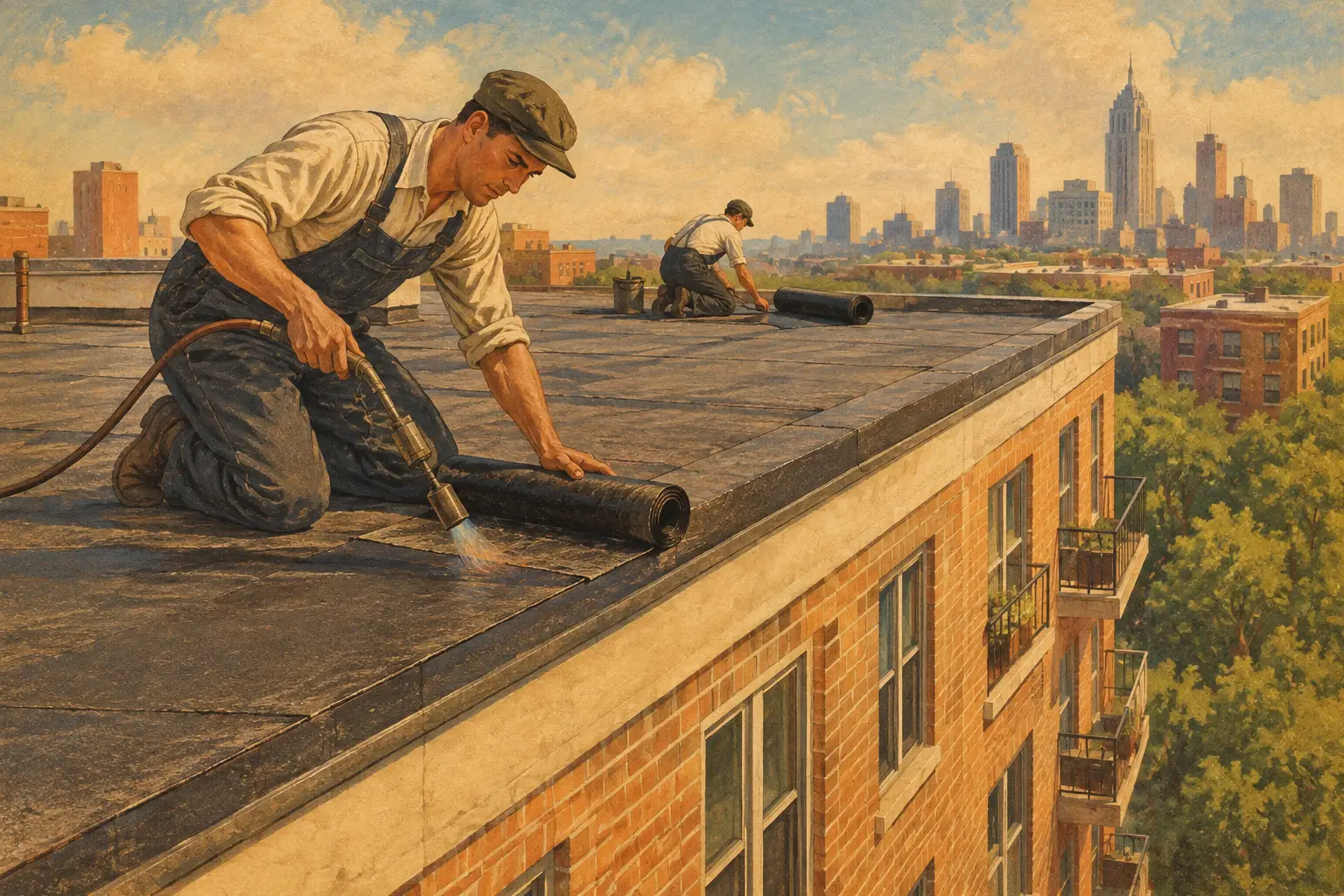
Apartment Roof Repairs: Protecting Your Property
A roof problem at an apartment building is rarely limited to one small spot. A loose flashing detail, damaged membrane, or missing shingle can allow water into ceilings, wall cavities, insulation, and common areas before the leak is visible. Timely apartment roof repairs help protect residents, avoid disruptions, and keep a manageable maintenance issue from becoming a costly property-wide repair.
For landlords, property managers, and commercial owners in Rapid City and the Black Hills, the goal is not simply to stop a leak for the day. It is to understand what caused it, repair the affected roofing system correctly, and plan for the building’s long-term protection.
Why Apartment Roof Repairs Need a Different Approach
Apartment buildings place more demands on a roof than a typical single-family home. There may be multiple roof sections, rooftop vents and equipment, parapet walls, drains, skylights, stairwell structures, or transitions where different materials meet. A failure at any one of these points can affect several units.
Tenant safety and communication also matter. A repair crew may need access to upper-floor areas, walkways, mechanical spaces, or parking areas. The work should be organized around occupied units, with clear notice when noise, limited access, or temporary parking changes are expected. Clean work areas are more than a courtesy. They help reduce hazards for residents, visitors, and staff.
The right repair strategy depends on the roof type and the condition of the overall system. A small puncture in a commercial low-slope membrane may be a focused repair. Repeated leaks across an aging roof, however, can signal that patching is only delaying a needed replacement. A professional inspection helps separate a repairable issue from a larger capital planning decision.
Signs Your Apartment Roof Needs Attention
Property owners should not wait for a ceiling to collapse or a major storm event to investigate a concern. Water often travels away from the original entry point, which means the stain inside a unit may not sit directly below the roof damage.
Watch for water marks on ceilings or walls, peeling paint near upper floors, musty odors, damp insulation, bubbling drywall, or recurring leaks in the same units. Outside, look for missing or lifted shingles, cracked sealant, damaged flashing, exposed fasteners, ponding water on low-slope sections, clogged drains, or granules collecting around downspouts.
After hail, high wind, or heavy snow, an inspection is a practical way to document the condition of the roof. Black Hills weather can change quickly, and wind-driven rain may expose weaknesses that are not obvious during dry conditions. Even if no water has entered the building, storm damage can shorten the life of a roofing system if it is left unaddressed.
Recurring Leaks Are a Warning Sign
A repeated leak should not be treated as routine maintenance. It may indicate failed flashing, deteriorated seams, drainage issues, poor repairs from earlier work, or moisture trapped beneath the roof surface. Continually sealing the visible area without finding the source can lead to hidden rot, mold concerns, and damaged interior finishes.
A qualified roofer should inspect the surrounding roof area, penetrations, drainage paths, and the condition of the substrate when appropriate. The repair should address the cause of the water intrusion, not just its most visible symptom.
What a Thorough Roof Repair Inspection Should Cover
A useful inspection begins with the roof but does not end there. The contractor should consider the building’s roof material, slope, age, maintenance history, recent weather exposure, and reported leak locations. Interior observations can provide valuable clues, especially when residents or maintenance staff can identify when the issue occurs.
On the roof, the inspection should evaluate field materials, seams, flashing, edges, penetrations, drains, gutters, scuppers, and areas around rooftop equipment. On shingle roofs, that may include checking for wind damage, damaged shingles, nail pops, vent flashing problems, and worn pipe boots. On low-slope roofs, the focus may include membrane seams, punctures, ponding areas, coping, and drainage details.
Photographs and clear findings help property decision-makers understand the recommended scope. This matters when owners must coordinate budgets, communicate with residents, or obtain approval from partners or boards. A straightforward explanation of what is damaged, what can be repaired, and what may need future attention supports better decisions.
Repair or Replacement: How to Make the Call
Not every roof issue requires full replacement. If damage is isolated and the remaining roof has useful life left, a properly completed repair can be the most responsible investment. Replacing a small area of damaged shingles, resealing flashing, repairing a membrane seam, or correcting a drainage issue may restore performance without unnecessary expense.
Replacement becomes a stronger option when leaks continue across different areas, repairs are becoming frequent, materials are nearing the end of their service life, or moisture has damaged the roof deck or insulation. It may also make sense when the existing roof system no longer handles drainage or weather exposure effectively.
Cost matters, but the lowest immediate price is not always the lowest long-term cost. Deferred roofing work can lead to interior restoration, tenant complaints, business interruptions, and greater insurance complications. A repair plan should account for the roof’s current condition, expected remaining life, the building’s occupancy, and the cost of potential water damage if another failure occurs.
Planning Repairs Around Residents and Operations
Well-managed apartment roof repairs require more than skilled installation. They require coordination. Before work begins, property managers should know which areas will be affected, where crews will stage materials, whether parking or walkways need temporary controls, and how residents will receive notice.
The contractor should protect landscaping and common areas, manage debris carefully, and keep the job site orderly each day. For larger repairs, a phased approach can reduce disruption by addressing one building section or roof area at a time. This is especially helpful for occupied multifamily properties where residents need safe, predictable access to their homes.
Weather planning is also essential. Roofing work must be performed when conditions allow materials to be installed correctly and the building can be protected during the process. A dependable contractor communicates schedule changes clearly rather than taking shortcuts that could compromise the repair.
Preventive Maintenance Protects the Budget
The most effective roof repair is often the one avoided through regular maintenance. Semiannual inspections, along with checks after major storms, can catch small problems before they spread. Fall maintenance is especially useful for clearing leaves and debris from gutters, drains, and downspouts before freeze-thaw cycles create additional drainage problems.
Maintenance staff can support this effort by documenting tenant reports, noting where stains reappear, and keeping rooftop access limited to authorized personnel. Foot traffic, unsecured equipment, and improvised repairs can damage roofing materials and create liability concerns.
For apartment owners, it is also wise to keep records of inspections, repairs, warranties, storm events, and maintenance actions. A clear history makes it easier to budget for future work and gives a contractor better context when a new issue arises.
Choose a Contractor Who Understands Multifamily Properties
Apartment roofing work calls for a contractor who can handle both the technical repair and the practical demands of an occupied property. Look for proven roofing experience, clear communication, organized job-site practices, and a willingness to explain the recommended scope in plain language.
Local knowledge is valuable, too. A contractor serving the Black Hills understands the effect of hail, wind, snow, temperature swings, and drainage challenges on exterior systems. Good Guys Exteriors approaches roofing work with the same care property owners expect for the people and investments under every roof.
When a roof issue appears, act before the next storm turns a small opening into widespread damage. A professional inspection and a well-planned repair can protect residents, preserve your property, and give you a clearer path forward.