
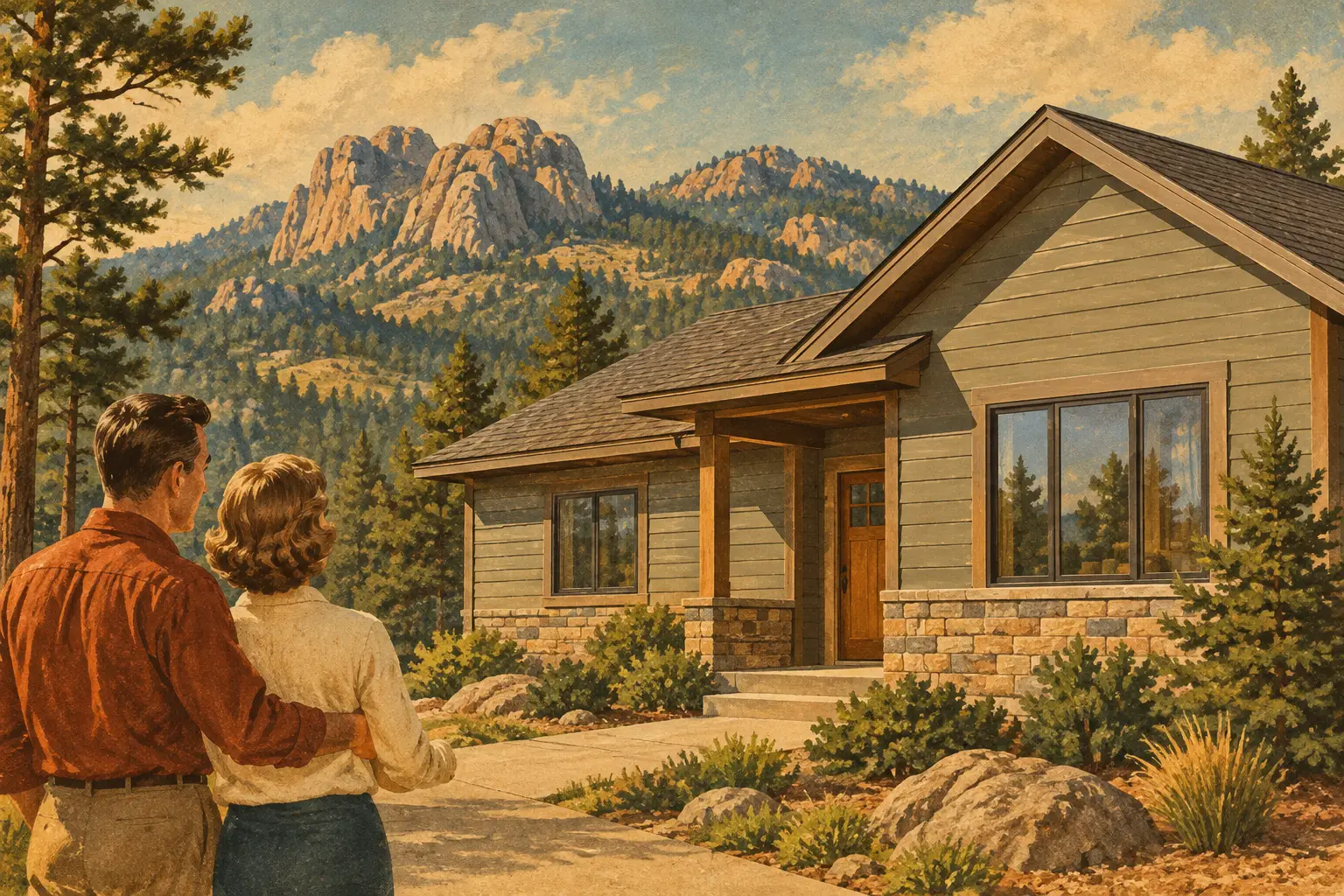
Best Siding for Low Maintenance Black Hills Homes
A home in the Black Hills asks more of its exterior than a home in a mild climate. Strong sun, wind-driven rain, hail, snow, and fast temperature changes all take a toll. Choosing the best siding for low maintenance means finding a material that can handle those conditions without asking for constant scraping, painting, sealing, or repair.
Low-maintenance siding is not the same as no-maintenance siding. Every exterior needs occasional washing, inspections, and prompt attention when storm damage occurs. The right material, however, can greatly reduce the time and money you spend keeping your home or commercial property protected and looking its best.
What Low-Maintenance Siding Should Handle
For property owners in Rapid City and throughout the Black Hills, siding should do more than improve curb appeal. It needs to shed water, stand up to sun exposure, resist moisture intrusion, and remain secure through high winds and seasonal temperature swings. If your property is near mature trees, on an exposed lot, or in an area that sees frequent hail, impact resistance becomes part of the decision as well.
The maintenance commitment starts with the material, but installation matters just as much. Even premium siding can develop problems if flashing, housewrap, trim, fasteners, and transitions around windows and doors are not handled correctly. A well-installed siding system directs water away from the wall assembly and gives your property a better chance of staying dry behind the finished surface.
Vinyl Siding: The Practical Low-Upkeep Choice
For many homeowners, vinyl is the best siding for low maintenance because it does not need routine painting or staining. Its color runs through the material, so small surface scratches are generally less noticeable than they would be on a painted finish. A gentle wash with a garden hose and soft brush is often enough to remove dirt, pollen, and light mildew.
Vinyl also comes in a broad range of profiles and colors, from traditional lap siding to vertical panels and shake-style accents. It can be a cost-conscious choice for homeowners, landlords, and property managers who want a clean appearance without an ongoing paint schedule.
There are trade-offs. Standard vinyl can crack under a hard impact, especially in cold weather, and very dark colors may show fading more readily over time. Quality varies significantly between product lines, too. Thicker panels and insulated options can offer a more substantial look and better resistance to everyday wear, but they come at a higher initial cost. Vinyl expands and contracts with changing temperatures, so proper installation is essential to prevent warping or buckling.
Engineered Wood: A Strong Balance of Appearance and Care
Engineered wood siding gives property owners the warmth and texture associated with real wood while reducing many of the maintenance concerns that come with traditional wood boards. These products are manufactured to resist fungal decay and insect damage, and they are available in lap, panel, board-and-batten, and trim styles.
For homeowners who like a more natural, dimensional exterior, engineered wood can be an attractive middle ground. It is often easier to customize than vinyl and can be painted in nearly any color. When it is factory-finished and installed correctly, upkeep may be limited to periodic cleaning, inspections, and repainting when the finish eventually reaches the end of its service life.
That last point matters. Engineered wood is lower maintenance than traditional wood, but it is not maintenance-free. Cut edges, joints, and damaged areas must be properly sealed during installation. If paint is neglected for too long or moisture gets behind the siding, repairs can become more involved. It is a solid option for owners willing to plan for future repainting in exchange for a more wood-like look.
Fiber Cement: Durable, but Not Always the Simplest
Fiber cement siding is well known for its durability, fire resistance, and ability to imitate painted wood grain. It resists rot and insects, and it can perform well in demanding weather when installed according to manufacturer requirements. For homes where appearance, long-term durability, and fire resistance are high priorities, fiber cement deserves serious consideration.
Its maintenance needs are generally manageable. It should be washed periodically, caulk joints should be checked, and painted finishes will eventually need touch-ups or repainting. Factory-applied finishes can extend the time between paint cycles, but no painted siding stays perfect forever under South Dakota sun and weather.
Fiber cement also has practical considerations that affect the overall value. It is heavier than vinyl, requires experienced installation, and can cost more in labor. If your goal is the absolute least amount of exterior upkeep, a prefinished vinyl or metal system may be easier to own. If you want a traditional painted appearance and are comfortable with periodic finish maintenance, fiber cement can be a worthwhile investment.
Steel Siding: Built for Tough Conditions
Steel siding is a strong contender for properties that need serious weather resistance. It does not rot, attracts no insects, and can tolerate harsh conditions that may damage less durable materials. Modern steel siding is available in several profiles, including options that resemble wood lap siding or vertical panels.
For rural homes, commercial buildings, shops, and properties exposed to open-country wind, steel can be a practical long-term choice. Its factory finish reduces the need for painting, and routine care typically involves washing off dirt and checking for damaged panels, loose fasteners, or scratches after major storms.
The trade-off is appearance and cost. Steel can be more expensive than basic vinyl, and a deep scratch that exposes bare metal should be addressed promptly to prevent corrosion. Some owners also prefer the softer texture of wood-look engineered products or the wider design selection offered by vinyl. Still, for durability-minded owners, steel siding can be one of the most dependable options available.
Traditional Wood Requires More Commitment
Wood siding has lasting appeal, particularly on historic homes, cabins, and properties designed around a natural Black Hills setting. It can be repaired, refinished, and customized in ways few manufactured products can match. But it is not the right choice for an owner seeking minimal upkeep.
Wood needs regular inspection for peeling paint, failed caulk, moisture damage, and insect activity. Depending on the finish and exposure, it may need staining or painting every few years. A shaded wall, leaking gutter, or poorly managed roof runoff can create problems quickly. Wood can be beautiful and durable when maintained well, but it requires a homeowner who is prepared to stay ahead of the maintenance schedule.
How to Choose the Best Siding for Low Maintenance
Start with your property rather than the product brochure. A protected in-town home may have different needs than a rural property with strong wind exposure or a commercial building with long, uninterrupted walls. Look at the direction each wall faces, the condition of your gutters, roof overhangs, landscaping, and the likelihood of hail or impact from nearby activity.
Then consider the kind of maintenance you truly want to avoid. If repainting is the main concern, vinyl or steel may be the better fit. If you want wood-like character but can accept repainting in the future, engineered wood or fiber cement may make more sense. If impact resistance is your top concern, compare the specific product ratings instead of assuming every panel performs the same.
Color is another long-term decision. Lighter colors can be more forgiving of dust, fading, and heat exposure. Dark colors offer a bold look but may show surface wear more readily, depending on the material. A contractor can help you weigh appearance against how the product will perform on your specific home.
Do Not Overlook Gutters and Trim
Siding lasts longer when the rest of the exterior is doing its job. Overflowing gutters, missing downspout extensions, damaged roof flashing, and failing window trim can direct water where it does not belong. Replacing siding without addressing those issues can lead to the same problems returning behind a new exterior.
A complete evaluation should look at how water moves off the roof, through the gutter system, and away from the foundation. It should also include the condition of soffit, fascia, trim, and caulking around exterior openings. Good Guys Exteriors approaches siding as part of the full exterior system, not as an isolated cosmetic update.
The best choice is the one that fits your building, your budget, and the amount of upkeep you are realistically willing to take on. A material that performs well through Black Hills weather and is installed with care gives you more than a fresh appearance – it gives you confidence every time the forecast turns rough.