
Best Shingles for Black Hills Weather That Last
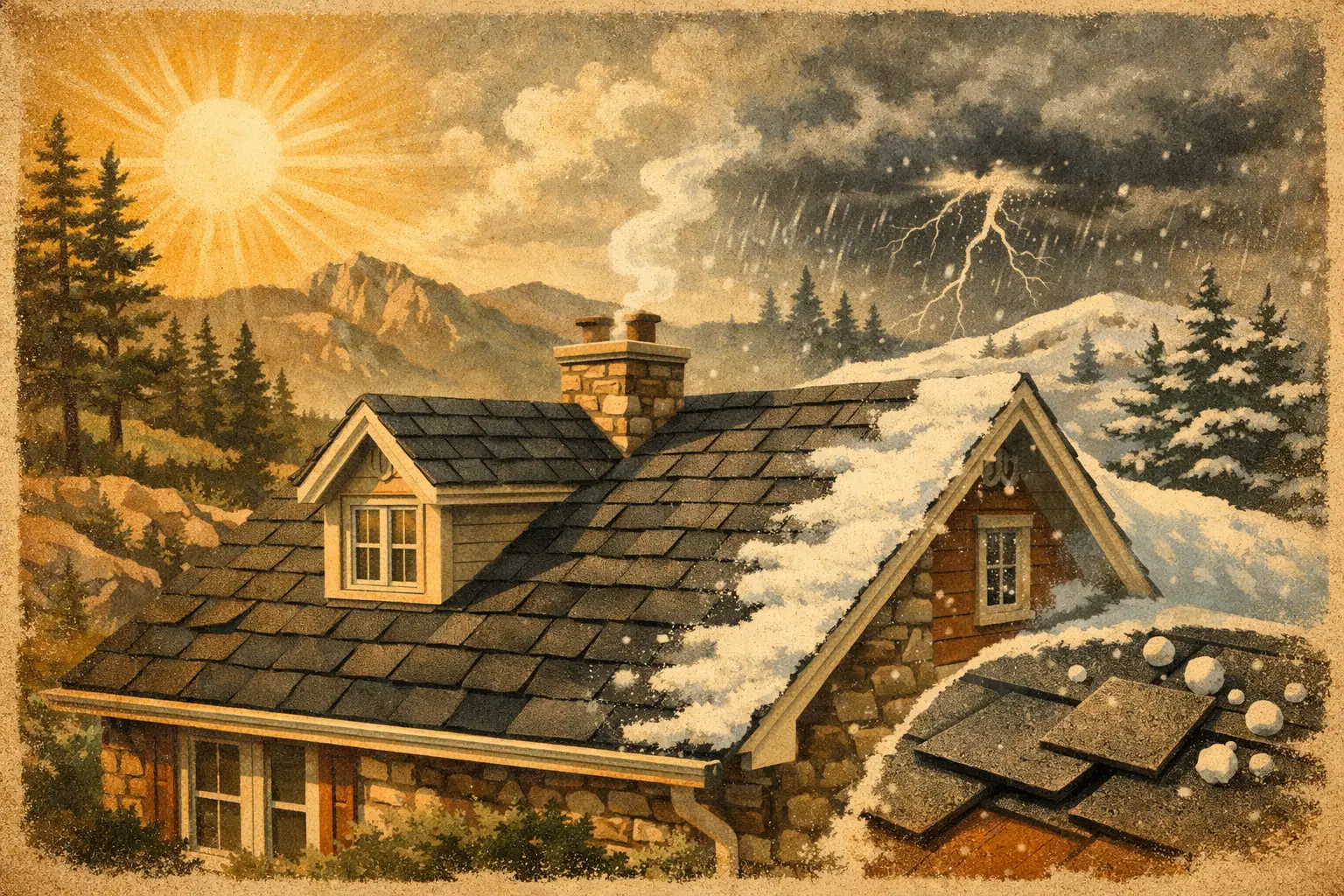
A Rapid City roof can see sun, hail, heavy snow, sharp temperature swings, and strong wind in the same year. That is why choosing the best shingles for Black Hills weather is less about picking a color from a sample board and more about choosing a roofing system built for local conditions.
For many homes in the Black Hills, architectural asphalt shingles with strong wind resistance and a Class 3 or Class 4 impact rating offer the best balance of protection, appearance, and value. The right choice still depends on your roof design, elevation, budget, and the condition of the deck and ventilation below the shingles.
What Black Hills Weather Demands From a Roof
Roofing materials in this region must handle more than ordinary rain. Hail is a regular concern across western South Dakota, and even a storm that does not cause an immediate leak can bruise or crack shingles. Those impacts may shorten the roof’s usable life and leave it more vulnerable during the next storm.
Wind is another major factor. Open lots, ridgelines, and homes near canyons can experience higher gusts than more sheltered neighborhoods. A shingle’s wind rating matters, but so does the installation method. Proper nail placement, the correct number of fasteners, sealed starter courses, and secure ridge components all help the roof perform as intended.
Winter adds its own set of challenges. Snow can remain on a roof for extended periods, while daytime sunshine melts the surface and nighttime temperatures refreeze it. This cycle can contribute to ice buildup at eaves, especially when attic insulation or ventilation is not doing its job. The shingles matter, but the underlayment, ice-and-water barrier, flashing, and airflow matter just as much.
Strong ultraviolet exposure also takes a toll. At Black Hills elevations, roofs receive plenty of direct sun. Over time, lower-grade shingles can lose granules, curl, or become brittle sooner than expected. A well-built roofing system should be selected for the complete range of conditions, not just the most recent storm.
Best Shingles for Black Hills Weather: Top Choices
Architectural Asphalt Shingles Are the Most Practical Choice
For most local homeowners, architectural asphalt shingles are the dependable starting point. Also called dimensional or laminated shingles, they are thicker and more durable than basic three-tab shingles. Their layered construction gives them more depth, a stronger appearance, and generally better resistance to wind and weathering.
Architectural shingles are available at several performance levels. A quality midrange option may be the right fit for a newer home in a protected neighborhood, while a premium architectural shingle can make sense for a home exposed to frequent wind, a steep roofline, or a location with a history of hail claims.
They also provide plenty of style flexibility. Homeowners can choose from neutral grays, weathered browns, deep blacks, and blended colors that work well with Black Hills stone, wood siding, and modern exterior finishes. Appearance should not drive the decision alone, but it is reasonable to expect a new roof to protect your home and improve curb appeal.
Impact-Resistant Shingles Add Hail Protection
If hail is a priority concern, consider impact-resistant shingles. These products are tested and rated for impact performance, with Class 4 generally representing the highest available rating. They are designed to better withstand the force of hail than standard shingles, which can reduce the likelihood of storm damage in the right circumstances.
Class 4 shingles are not indestructible. Large hail, flying debris, poor installation, or an aging roof can still lead to damage. They also cost more upfront than standard architectural shingles. For many Black Hills property owners, however, the added protection is worth discussing, particularly if the property has experienced multiple hail events or sits in an exposed area.
Insurance considerations can also be part of the conversation. Some carriers may offer discounts for qualifying impact-resistant roofing, while others may not. Check with your insurance provider before making a decision, and do not select a shingle based on a possible discount alone. The primary benefit is improved durability during hail events.
High-Wind Rated Shingles Are Worth the Investment
Wind ratings should be reviewed carefully, especially for properties in open terrain or on elevated sites. Many architectural shingles are rated for winds up to a stated speed when installed as part of the manufacturer’s full roofing system. That final phrase is important.
A high wind rating is not just a label on a shingle bundle. It may require matching starter shingles, compatible hip and ridge components, specified underlayment, and exact fastening practices. If a roof is installed with shortcuts or mixed components, the intended system performance may not apply.
For Black Hills homes, it is often wise to choose a shingle system with a strong published wind rating rather than the least expensive available product. The difference in material cost can be small compared with the cost and disruption of repairing wind-lifted shingles later.
Why Three-Tab Shingles Are Usually a Poor Fit
Three-tab shingles can be an economical option, but they are usually not the best long-term choice for Black Hills weather. They are flatter, lighter, and less visually dimensional than architectural shingles. Their wind performance and service life can also be more limited, depending on the product.
There are situations where a three-tab shingle may be appropriate, such as a limited-budget repair where matching an existing roof is necessary. For a full roof replacement in Rapid City, though, most property owners benefit from stepping up to architectural shingles. The added thickness, better appearance, and improved weather performance make them a stronger investment for the region.
A Good Shingle Needs a Good Roofing System
Even the best shingle will not perform well over damaged decking, weak ventilation, or poor flashing details. A roof replacement is the right time to inspect the full assembly and address the parts that cannot be seen once installation is complete.
A dependable Black Hills roofing system typically includes a properly prepared roof deck, an ice-and-water barrier in vulnerable areas, quality synthetic underlayment, correctly installed flashings, balanced attic ventilation, and ridge and starter components designed to work with the selected shingles. These details help manage water and reduce the conditions that lead to leaks, ice dams, and premature aging.
Ventilation deserves special attention. In winter, excess heat in an attic can melt snow unevenly on the roof. That water can refreeze at colder eaves and create ice buildup. In summer, trapped attic heat can add stress to shingles from below. Proper intake and exhaust ventilation supports the performance of the roof while helping regulate attic conditions year-round.
How to Choose the Right Shingle for Your Property
Start with your property’s exposure. A home surrounded by mature trees may face different risks than a home on an open ridge outside Rapid City. Wind exposure, roof pitch, shade, nearby tree limbs, and past hail damage all provide useful information.
Next, consider how long you plan to own the property. A lower-cost shingle may be reasonable for a short-term situation, but a homeowner planning to stay for many years may benefit from impact resistance and a higher-performing architectural product. Landlords and commercial property managers should also weigh lifecycle cost, tenant disruption, and the value of reducing future repair needs.
Finally, compare complete proposals rather than comparing shingle names alone. Ask what underlayment, ice-and-water protection, ventilation work, flashing, cleanup, and warranty coverage are included. A clear proposal should explain the work being completed and identify any decking or ventilation concerns found during inspection.
Color Still Matters in the Black Hills
Roof color is not only a design choice. Dark shingles can create a bold look and help hide staining, while lighter colors may reflect more sunlight. The practical difference varies by attic insulation, ventilation, roof orientation, and the specific product selected, so color should not replace sound roofing decisions.
Choose a color that works with permanent features such as brick, stone, siding, trim, and gutters. The Black Hills landscape often pairs well with charcoal, driftwood, weathered wood, slate, and brown blends. A contractor can help you review samples in natural light, which is more useful than judging color under showroom lighting.
Put Local Installation Experience to Work
The best material choice becomes more valuable when it is installed by a team that understands local weather patterns and treats your property with care. Good Guys Exteriors helps property owners plan residential roofing projects, select materials that fit their needs, and complete replacement work with organized job sites and clear communication.
If your roof has recent hail or wind concerns, start with a storm and hail damage inspection. If you are already considering replacement, request a free roof inspection and estimate from Good Guys Exteriors.