
Can Roof Repairs Prevent Mold in Your Home?
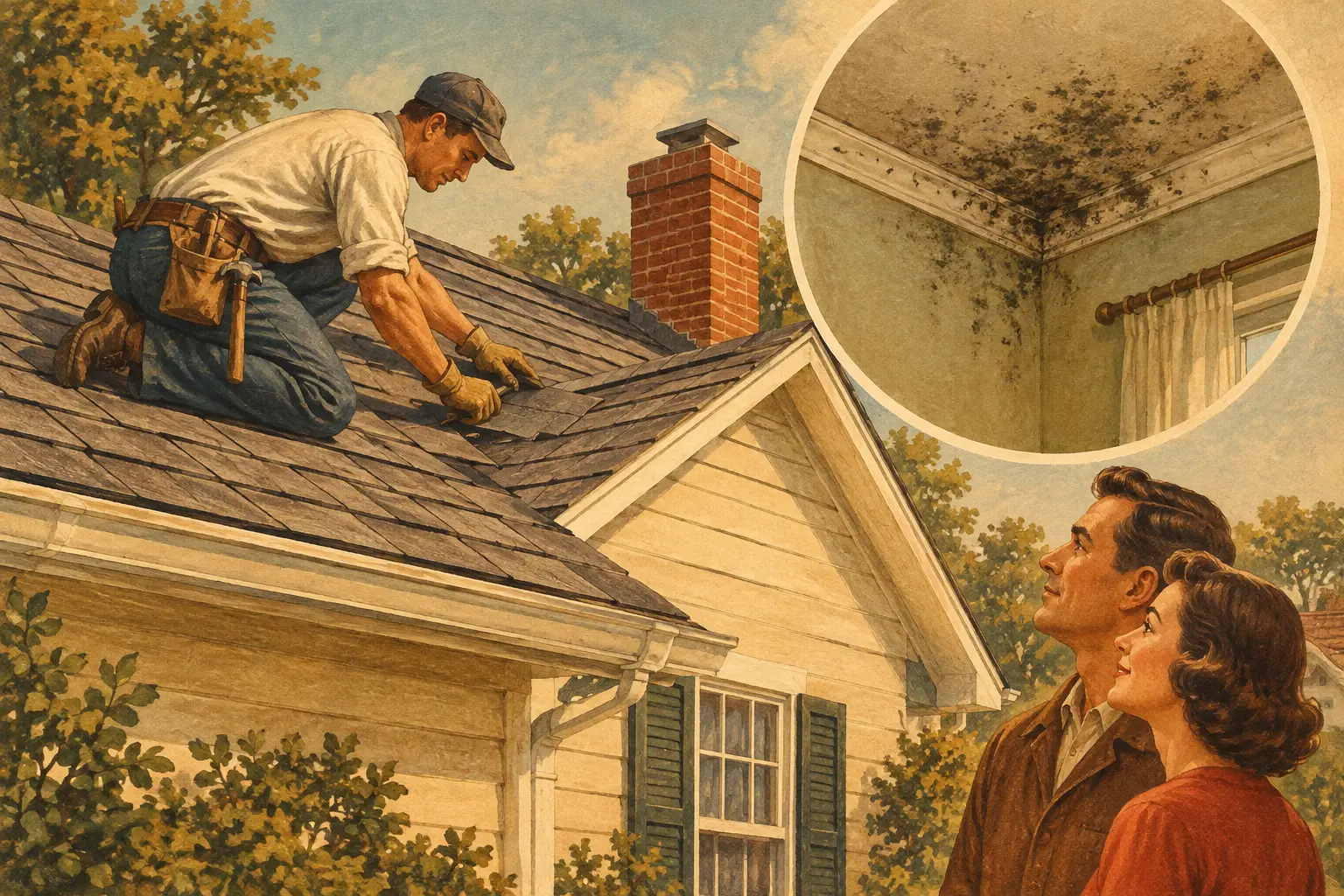
A brown ceiling spot after a Black Hills snowmelt is more than a cosmetic problem. Water may have already moved through insulation, framing, or drywall before it becomes visible indoors. That is why property owners often ask, can roof repairs prevent mold? In many cases, yes – when repairs stop the moisture source early and the affected area is properly dried.
Roof repair is not a substitute for mold remediation when growth is already widespread. But a sound roof is one of the most effective defenses against the leaks and trapped moisture that allow mold to take hold. Acting quickly can protect indoor air quality, preserve building materials, and help avoid a small repair turning into a larger restoration project.
Can Roof Repairs Prevent Mold? They Can Stop the Cause
Mold needs moisture, a suitable surface, and time. Homes and commercial buildings have plenty of materials mold can grow on, including wood framing, paper-faced drywall, insulation backing, and dust. The part a roof repair can control is unwanted water entry.
A missing shingle, damaged flashing, failed pipe boot, punctured membrane, or deteriorated seal can let rain and melting snow enter the roof system. Water does not always drip straight down. It can travel along rafters, roof decking, wiring, or insulation before showing up as a stain several feet away from the actual leak.
A professional repair closes that pathway. Just as important, it gives the roofing contractor an opportunity to inspect the surrounding area for wet materials, soft decking, damaged underlayment, and ventilation concerns. Stopping the leak promptly limits how long those materials remain damp.
Timing matters. A roof leak caught after one storm may require a focused repair and drying. The same leak left through repeated rain, snow, or freeze-thaw cycles can saturate insulation and create conditions where hidden mold becomes more likely.
Roof Leaks Are Not the Only Moisture Problem
Not every attic mold concern begins with a hole in the roof. In Rapid City and throughout the Black Hills, winter temperature swings can create condensation issues in attics and roof cavities. Warm, moisture-laden indoor air rises into the attic. When it meets cold roof decking, it can condense into frost or water droplets.
When temperatures rise, that frost melts. Homeowners may see water stains, damp insulation, or what looks like a roof leak, even if shingles and flashing are intact. A careful inspection is needed to tell the difference.
Roof repairs can still be part of the solution when ventilation components are blocked, damaged, or improperly installed. However, preventing condensation may also require addressing attic ventilation, insulation gaps, air leaks around ceiling penetrations, or bathroom and kitchen exhaust vents that release moist air into the attic. A roof repair alone cannot solve an indoor humidity or airflow problem.
This distinction matters because the right fix protects the property for the long term. Covering up stains or replacing a few shingles without identifying the moisture source can leave the underlying problem in place.
Signs You Should Schedule a Roof Inspection
Roof-related moisture is often easiest to correct before mold becomes visible. Property owners should pay attention after major wind, hail, heavy rain, or prolonged snow accumulation, especially if the roof is older or has had prior repairs.
A roof inspection is a smart next step if you notice any of the following:
- Water stains, peeling paint, bubbling drywall, or a musty odor on ceilings or upper walls
- Damp attic insulation, darkened roof decking, frost buildup, or visible condensation in the attic
- Missing, cracked, lifted, or loose shingles after a storm
- Damaged flashing around chimneys, skylights, vents, valleys, or wall transitions
- Overflowing gutters, standing water near the foundation, or ice dam patterns along roof edges
- A leak that appears only during wind-driven rain or after snow begins to melt
Commercial property owners should also watch for ceiling tile staining, recurring rooftop drain issues, ponding water on low-slope roofs, and unexplained odors in upper-floor spaces. Small leaks can disrupt operations, damage inventory, and affect multiple tenants if they are not handled quickly.
The Repair Must Include Drying and Damage Assessment
Stopping water from entering is the first job. It is not always the final job.
If water reached the attic, ceiling cavity, or wall assembly, those materials need to be assessed and dried. Wet insulation can lose performance and hold moisture against wood framing. Damp drywall may need to be opened or removed depending on the extent of the water exposure. If mold is visible, covers a significant area, or occupants have health concerns, a qualified mold remediation professional may be necessary.
The trade-off is straightforward: a quick patch can cost less at the moment, but it may not address deteriorated decking, wet insulation, or a recurring flashing failure. On the other hand, not every leak means a full roof replacement is needed. A targeted repair is often the right choice when the roof system is otherwise in good condition and the damaged area can be restored correctly.
An experienced contractor should explain what was found, what repair is recommended, and whether there are signs that moisture has affected areas beyond the roof surface. Clear communication helps owners make a practical decision without guessing at the scope of the problem.
Gutters and Drainage Help Keep Water Out
Roof protection is closely tied to drainage. Gutters and downspouts move water away from the roof edge, siding, foundation, and walkways. When gutters are clogged, loose, undersized, or improperly pitched, water can back up beneath roof materials or spill against the exterior walls.
During winter, poor drainage can contribute to ice dams. Snow melts on the warmer upper portion of a roof, then refreezes near colder eaves. The resulting ice can trap water behind it, forcing that water beneath shingles and into the roof assembly. Ice dams are not always caused by gutters alone, but gutter condition, attic insulation, ventilation, and roof temperature can all play a role.
Keeping gutters clear and securely attached is simple preventive maintenance. Extending downspouts away from the building is equally valuable, since water that collects near the foundation can create a separate moisture issue in basements and crawl spaces.
A Practical Prevention Plan for Black Hills Properties
The best approach is regular attention, not waiting for a ceiling stain. Inspect the roof after severe weather, clean gutters on a seasonal schedule, and have concerns checked before the next storm cycle. Owners of older homes, rental properties, and commercial buildings may benefit from routine professional inspections because small failures are easier to miss from the ground.
Inside, check the attic periodically for damp insulation, daylight through the roof deck, musty odors, frost, or discoloration. Make sure bathroom fans vent outdoors rather than into the attic. Keep indoor humidity at a reasonable level during winter, particularly in tightly sealed buildings.
For roofs nearing the end of their service life, repeated repairs deserve an honest conversation. Continuing to repair isolated damage can make sense, but widespread shingle wear, frequent leaks, soft decking, or storm damage may point toward replacement. A new roofing system, installed with proper flashing, underlayment, ventilation, and drainage details, can provide more dependable moisture protection.
Good Guys Exteriors approaches roof work as protection for the whole property, not just the shingles people see from the street. For homeowners and business owners, that means looking at the roof, drainage, and vulnerable transition points together so water has fewer opportunities to get inside.
If you have noticed a stain, odor, or suspicious attic moisture, do not wait for the next weather event to reveal more damage. A timely inspection and properly completed repair can help keep a manageable roof issue from becoming a mold problem.