
Can Roof Repairs Stop Leaks? When a Fix Works
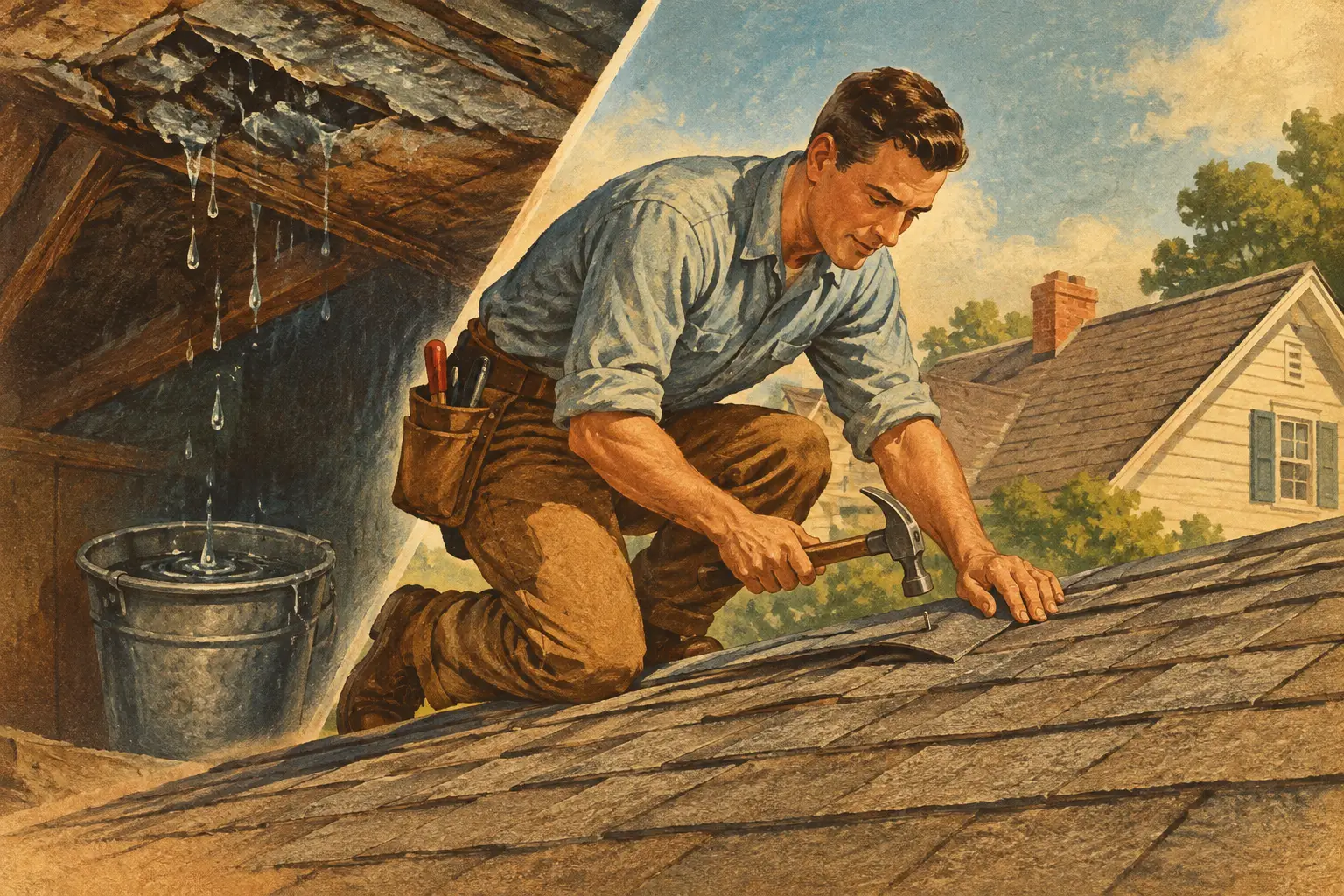
A drip from the ceiling after a Black Hills storm is more than an inconvenience. Water can move along roof decking, rafters, insulation, and walls before it becomes visible indoors. So, can roof repairs stop leaks? In many cases, yes – provided the source is found correctly and the damaged area is repaired before moisture has spread too far.
A roof repair is often the right answer for a missing shingle, damaged flashing, an exposed fastener, or a small area affected by wind or hail. But a repair is not a cure-all. The age of the roof, the condition of the surrounding materials, and the cause of the leak all determine whether targeted work will provide a lasting result.
When Roof Repairs Can Stop Leaks
Leaks commonly begin at places where water changes direction or finds an opening in the roofing system. Valleys, pipe vents, chimneys, skylights, roof-to-wall transitions, and damaged shingle areas deserve close inspection. A professional does not simply patch the spot where water appears inside. They trace the path back to the point where water first entered the roof.
A repair is generally a good option when the roof is otherwise in sound condition and the issue is limited. For example, a few wind-lifted shingles may allow rain to work underneath the roofing material. Replacing and properly sealing those shingles can restore the roof’s protection without replacing the entire surface.
The same is true for damaged flashing. Flashing directs water away from joints and penetrations, but it can corrode, pull loose, crack, or lose its seal over time. Correcting the flashing and addressing any nearby material damage can stop a leak that might otherwise continue to soak the roof deck.
Small punctures, popped nails, cracked vent boots, and failed sealant around penetrations can also be repaired effectively. The key is to use compatible materials and to correct the reason the problem developed. Covering a gap with sealant alone may slow a leak temporarily, but it rarely replaces a proper repair.
Why Finding the Source Matters
The location of an interior stain is not always the location of the roof damage. Water may enter near a ridge, valley, vent, or chimney and travel several feet before dripping through drywall. That is why a careful roof inspection matters, especially after heavy rain, wind, snow, or hail.
A proper assessment looks beyond the obvious stain. It considers the condition of shingles or other roofing materials, flashing, underlayment, roof decking, attic ventilation, and drainage. It also checks for signs of moisture that may not yet be visible from inside the building.
For commercial properties, diagnosis can be even more involved. Low-slope systems may leak around seams, drains, rooftop equipment, curbs, or penetrations. Ponding water and clogged drainage components can add stress to the roof surface. A reliable repair plan should address both the opening and the water-management issue contributing to it.
Signs a Repair May Be Enough
A roof does not need replacement every time it leaks. A focused repair may be the practical choice when the roof still has useful life remaining and damage is isolated. This is often the case after a single storm event or when one component has failed before the rest of the system.
You may be a good candidate for roof repair if the leak is limited to one area, the roofing material is not broadly worn, and there are no widespread signs of moisture damage. A newer roof with one damaged pipe boot or a localized flashing problem should not automatically be treated like a full replacement project.
It also matters whether repairs have been rare. One well-defined issue is different from several leaks appearing in different areas over a short period. Repeated repairs can become costly, disruptive, and unreliable when the underlying roof system is nearing the end of its service life.
When a Repair May Only Buy Time
There are situations where a repair can reduce water intrusion but may not be the most responsible long-term investment. An aging roof with brittle, curling, cracked, or heavily granule-worn shingles can be difficult to restore with a few replacement pieces. New materials may not integrate well with weakened surrounding sections.
Widespread storm damage is another concern. Hail can bruise shingles and shorten their service life even when the roof does not leak immediately. Strong winds can break seals across multiple slopes. In these cases, treating only the visible leak may leave the property vulnerable during the next storm.
A replacement may also make more sense if water has damaged the decking, insulation, or structural components beneath the roofing material. Those issues require more than surface patching. The damaged materials need to be exposed, evaluated, and replaced as needed so the new roof system has a solid foundation.
For landlords, property managers, and business owners, the decision also comes down to reliability. A short-term repair can be appropriate when a full project must be scheduled later, but it should be described honestly. If the roof is failing in several places, a replacement may better protect tenants, inventory, equipment, and daily operations.
Roof Leaks Are Not Always Caused by the Roof
Not every ceiling stain points to failed roofing. Condensation in an attic, an improperly vented bathroom fan, a plumbing issue, or ice damming can create moisture symptoms that look like a roof leak. Gutters and downspouts also play an important role. When water backs up at the roof edge or spills near the foundation, it can create problems far beyond the gutter line.
In Rapid City and throughout the Black Hills, roofs must handle intense sun, wind, hail, snow, and rapid weather changes. That exposure can reveal weak points in roofing and drainage systems. Keeping gutters clear, maintaining downspouts, and addressing damaged siding or trim helps direct water where it belongs and supports the performance of the whole exterior.
What a Quality Leak Repair Should Include
A lasting repair starts with a clear explanation of what caused the leak and what work is needed. Property owners should understand whether the issue involves shingles, flashing, decking, ventilation, drainage, or another component. Good communication helps prevent surprises and makes it easier to weigh repair against replacement.
The work itself should involve more than applying a surface patch. Damaged materials need to be removed where necessary, affected areas should be dried and inspected, and replacement materials should be installed to shed water correctly. Flashing, underlayment, fasteners, and seal points all need attention because roofing works as a system.
Clean job sites matter, too. Roofing repairs can involve nails, old materials, and debris around a home or business. An organized crew protects the property, keeps the work area manageable, and leaves the site in good condition when the repair is complete.
At Good Guys Exteriors, the goal is to give local property owners a straightforward recommendation based on the condition of the roof, not a one-size-fits-all answer. Sometimes that means a targeted repair. Sometimes it means planning for replacement before repeated leaks cause more damage.
Act Before a Small Leak Becomes a Larger Repair
If you see a fresh ceiling stain, damp insulation, peeling paint near the roofline, or water after a storm, avoid waiting for the next rainfall to see if it happens again. Move valuables away from the affected area, contain dripping water safely, and arrange for an inspection. Do not climb onto a wet or storm-damaged roof yourself.
Early action can preserve more of the roof deck, insulation, and interior finishes. Whether the right solution is a focused repair or a larger project, a careful inspection gives you the information needed to protect your property with confidence.