
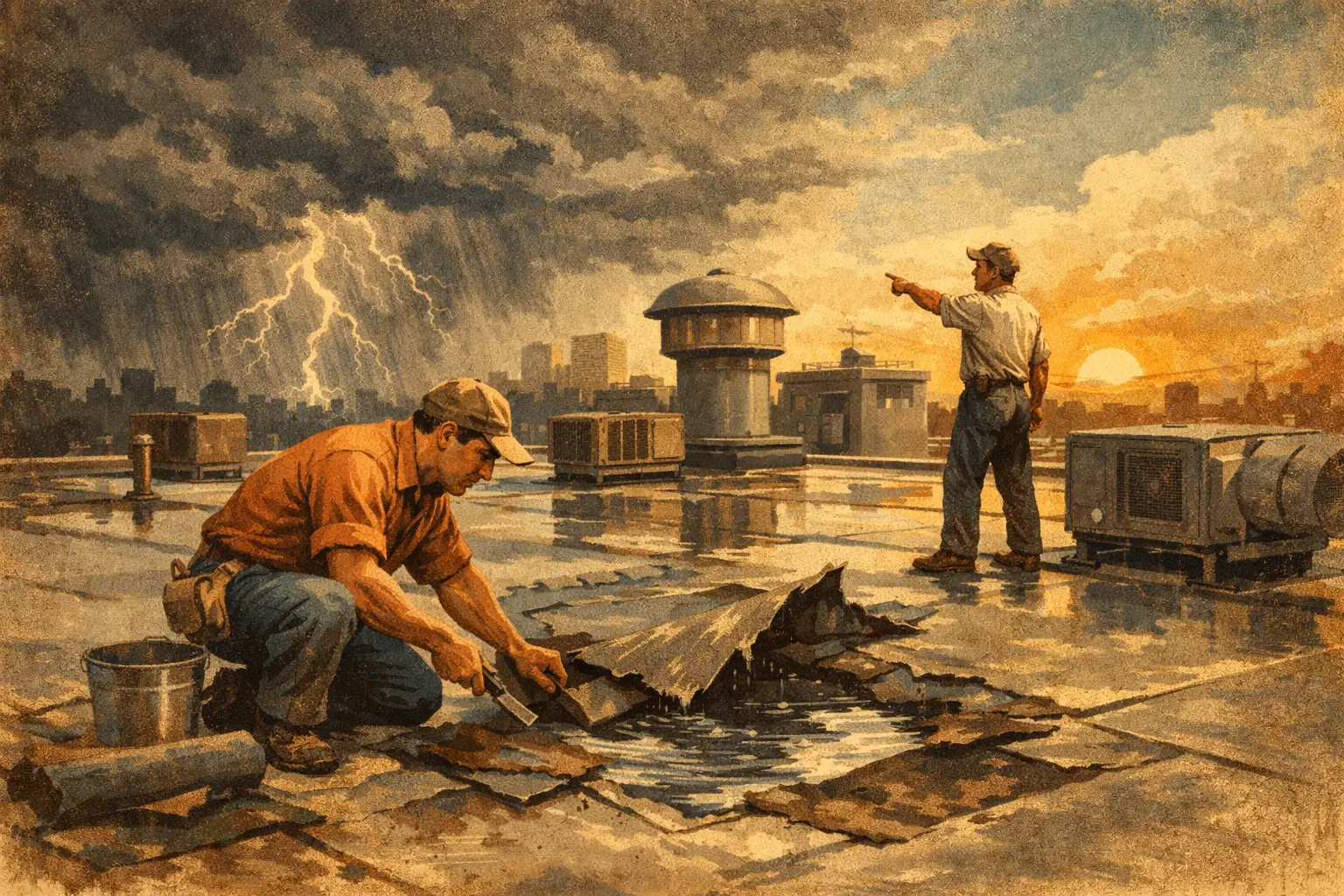
Commercial Roof Repair: When to Act Fast
A small stain on a ceiling tile can be the first visible sign of a much larger problem overhead. For business owners and property managers, commercial roof repair is not just a maintenance task. It is a practical step toward protecting inventory, equipment, tenants, employees, and the building itself from water damage and disruption.
In Rapid City and across the Black Hills, roofs face fast weather changes, heavy snow, wind, hail, and summer heat. A roof that looked sound last season may need attention after a single storm. Acting early can often keep a repair focused and affordable. Waiting can allow moisture to move into insulation, decking, walls, and electrical systems, turning a localized issue into a more involved project.
Signs Your Commercial Roof Needs Attention
Commercial roofs do not always fail with an obvious active leak. Many problems begin quietly, especially on low-slope roofing systems where water can travel beneath the membrane before it reaches the interior. Regular walk-throughs of your property and professional inspections help catch these concerns before they affect daily operations.
Inside the building, watch for water stains, bubbling paint, damp ceiling tiles, musty odors, or unexplained humidity. These signs do not always identify the leak location, but they do tell you that moisture may be getting where it does not belong. If the issue appears after rain, snowmelt, or a major wind event, document it and schedule an inspection promptly.
On the roof itself, common warning signs include cracked or split membrane material, loose flashing, open seams, punctures, deteriorated sealant around penetrations, and pooled water that remains long after a storm. Roof drains, scuppers, and gutters also deserve attention. If drainage is blocked, water can stand on the roof and add stress to materials that are already aging.
Storm damage is another reason to inspect a commercial roof quickly. Hail can bruise or fracture roofing materials, while wind can lift edges, damage flashing, or loosen rooftop components. The damage may not be easy to see from the ground, which is why a professional assessment is a better choice than relying on a quick visual check alone.
Why Fast Commercial Roof Repair Protects Your Investment
A roof is part of the building’s complete protective system. When water enters through a damaged area, the immediate concern may be a drip over a desk or retail display. The longer-term concern is what happens beneath the surface. Wet insulation can lose performance, wood decking can deteriorate, and trapped moisture can encourage mold growth.
For a commercial property, the cost of delay can extend beyond the repair itself. A leak can interrupt customer service, create slip hazards, damage tenant spaces, affect stored materials, or force temporary closures. Multifamily property owners may also face tenant complaints and interior repairs in more than one unit if water follows walls or utility paths.
Early repairs can also help extend the useful life of the existing roof. Not every leak means a full replacement is necessary. If the roofing system is still in generally good condition and the issue is limited, a properly completed repair may restore protection and give the owner time to plan for future capital expenses. That decision depends on the roof’s age, material, maintenance history, and the extent of the damage.
What a Professional Roof Inspection Should Identify
A good inspection looks beyond the most visible symptom. The goal is to understand where water is entering, what materials have been affected, and whether the repair will address the cause rather than simply cover the evidence.
A roofing professional should evaluate the roof field, seams, perimeter edges, flashing, penetrations, drainage components, and transitions where the roof meets walls or other building sections. Areas around HVAC units, vents, skylights, pipes, and drains are especially vulnerable because they interrupt the main roofing surface.
The inspection should also consider the condition of the substrate and insulation when signs point to hidden moisture. In some cases, the exterior surface may look acceptable while water has moved below it. Knowing the full condition of the system helps property owners make a sound repair-versus-replacement decision.
Clear communication matters here. Commercial property owners should understand what was found, why the issue occurred, what work is recommended, and whether there are additional areas to monitor. Photos and straightforward explanations make it easier to approve work, keep ownership groups informed, or communicate with tenants.
Repair or Replacement? The Answer Depends on the Roof
The right solution is not always the biggest one. A newer roof with a damaged seam, a puncture from rooftop work, or isolated flashing failure may be a strong candidate for repair. Addressing that problem quickly can preserve the rest of the system.
Replacement becomes more likely when leaks are recurring, the membrane has reached the end of its service life, widespread deterioration is present, or moisture has affected large areas below the surface. A roof with repeated patchwork repairs may also cost more to maintain than it would to replace, particularly when every new weather event creates another concern.
Budget is understandably part of the decision, but it should not be the only factor. A lower-cost patch that does not address an underlying drainage problem or material failure can lead to another leak soon after. On the other hand, replacing a roof that has years of useful service left may not be the best use of property funds. A thorough inspection gives you the information needed to weigh both options responsibly.
Plan Repairs Around Your Operations
Commercial roofing work should protect the building while respecting the people who use it. Offices, retail spaces, apartment communities, and facilities all have different schedules and access needs. A well-organized contractor will discuss staging areas, building entry points, noise considerations, safety measures, and the timing of the work before the project begins.
For active leaks, temporary protection may be needed while weather conditions allow for a permanent repair. This is especially relevant during South Dakota winters or periods of repeated precipitation. Temporary measures can reduce interior exposure, but they should be followed by a lasting repair as soon as conditions permit.
Property managers should also notify tenants or staff when work may affect parking, entrances, rooftop equipment access, or normal business hours. Clear communication helps prevent frustration and allows occupants to prepare. Clean job sites and careful debris control are equally important, particularly around customer-facing businesses and multifamily properties.
Preventive Maintenance Makes Repairs More Manageable
Commercial roof repair is often less stressful when it is part of an ongoing maintenance plan. Routine inspections, especially after hail or high-wind events, can identify small concerns before they create interior damage. Seasonal checks are useful before winter weather arrives and again after snow and ice have had time to melt.
Keep roof drains and gutters clear so water has a path off the building. Make sure outside vendors who service HVAC or other rooftop equipment understand where they can walk and how to avoid damaging roofing materials. Even a dropped tool, unsecured panel, or poorly sealed new penetration can create a leak point.
Maintain records of inspections, repairs, storm dates, and any interior water events. This history helps a roofing professional spot patterns and helps property owners plan future work with fewer surprises. It can also be useful when reviewing insurance matters after a damaging storm.
A dependable local contractor brings more than labor to a commercial roofing project. They bring an understanding of local weather, building needs, safe work practices, and the value of keeping your property operational. Good Guys Exteriors approaches every repair with the same goal: protect the property, communicate clearly, and leave the site organized when the work is complete.
If you notice a stain, ponding water, loose material, or damage after a storm, do not wait for the next leak to make the decision for you. A timely inspection can give you a clear path forward and help keep the people and work beneath your roof protected.