
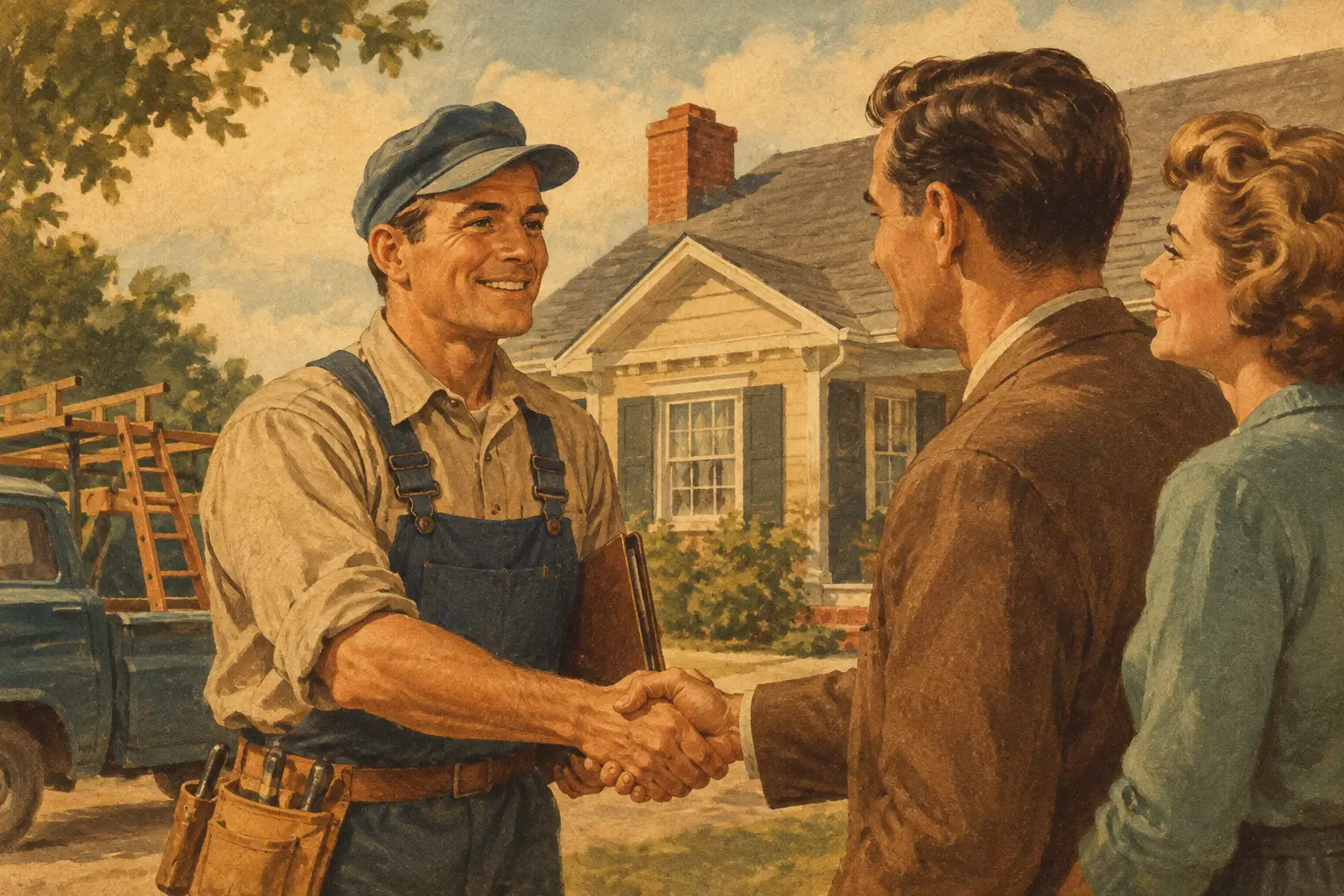
Contractor Reputation Protects Your Property
A roof leak after a Black Hills storm is stressful enough. Finding out the contractor you hired will not return calls, finish cleanup, or stand behind the repair can turn one property problem into several. That is why contractor reputation matters long before the first shingle is removed or gutter section is installed.
For homeowners, landlords, and commercial property managers, exterior work is a serious investment in safety, drainage, and long-term building performance. A contractor’s reputation gives you useful evidence of how that investment is likely to be handled: with clear communication, capable workmanship, organized job sites, and accountability after the work is complete.
Contractor Reputation Is More Than Online Reviews
Reviews are a good starting point, but they are not the whole story. A strong reputation is built over time through consistent actions. It shows up in whether a contractor arrives when promised, explains what the property needs without pressure, protects landscaping and access areas, and responds when a customer has a question.
Look for patterns rather than one glowing review or one unhappy comment. Exterior construction involves weather delays, material availability, and unexpected conditions beneath old roofing or siding. Even a well-run project can encounter a problem. What separates a dependable contractor is how the team communicates the issue, presents realistic options, and follows through on the agreed solution.
Local experience also carries real weight. A contractor who works regularly in Rapid City and throughout the Black Hills understands that wind, hail, snow, sun exposure, and fast weather changes can all affect an exterior system. That knowledge should influence recommendations for roofing materials, flashing details, ventilation, gutter placement, and siding installation.
Signs of a Reputation Earned on the Job
A reputable contractor should be easy to evaluate before you sign an agreement. They should inspect the property carefully, explain findings in plain language, provide a clear written scope of work, and answer direct questions about materials, scheduling, cleanup, and warranty coverage.
Their estimate should tell you what is included and what could change. For example, a roof replacement quote may need to address damaged decking discovered after tear-off. That does not mean every contractor is trying to add costs. It means the contract should explain how concealed damage is documented, approved, and priced if it is found.
Pay attention to the small details during the estimate process. Are calls returned? Does the representative listen to your concerns? Are they willing to discuss repair versus replacement honestly? These early interactions often reflect how communication will go once the project begins.
How Contractor Reputation Affects Project Results
Exterior projects have many moving parts. Materials must arrive on time, crews need safe access, debris must be managed, and the building needs protection throughout the work. On a commercial site, there may also be customers, tenants, employees, deliveries, and operating hours to consider.
A contractor with a solid reputation plans around those realities. For a homeowner, that may mean using protective measures around landscaping, keeping the driveway as clear as practical, and completing a magnetic sweep for roofing nails. For a business or multifamily property, it may mean organizing work zones, communicating daily schedules, and minimizing disruption where possible.
Reputation matters after installation, too. A new roof is not simply a product purchase. Its performance depends on correct installation at vulnerable areas such as valleys, penetrations, edges, vents, skylights, and flashing. Gutters must be pitched and secured to move water away from the structure. Siding must be installed with attention to moisture management and proper trim details.
The lowest price can be tempting, particularly after storm damage or when several repairs compete for the budget. But a lower bid may leave out essential components, use different material specifications, or allow less time for preparation and cleanup. Comparing estimates line by line helps you see whether you are comparing the same work. Price matters, but so do the details that protect the property once the crew leaves.
Questions That Help You Hire With Confidence
Before choosing a roofing, gutter, or siding contractor, ask for a clear explanation of the recommended work. A dependable professional should be able to explain why a repair is sufficient or why replacement is the better long-term choice. They should also describe what materials will be used and how the finished system will manage weather and water.
Ask who will manage the project and how you will receive updates. Knowing one point of contact can make a major difference when weather changes the schedule or you need to coordinate access to the property. For commercial owners and property managers, ask how the crew will handle safety, tenant communication, parking areas, and daily cleanup.
It is also reasonable to ask about licensing, insurance, workmanship coverage, and manufacturer requirements. The answers should be direct, documented when appropriate, and easy to understand. If a contractor avoids basic questions, gives vague pricing, or pressures you to decide immediately, treat that as useful information.
Consider these practical questions as part of the conversation:
- What does the written scope include, and what work is specifically excluded?
- How will the crew protect the building, landscaping, vehicles, and surrounding work areas?
- What is the expected schedule, and how will weather-related changes be communicated?
- Who handles final cleanup and the final walkthrough?
- What should I do if I have a concern after the project is complete?
You do not need a construction background to ask these questions. A good contractor welcomes informed customers because clear expectations lead to better projects.
Local Accountability Has Lasting Value
Hiring locally is not only about proximity. It is about accountability to the places where people live, work, raise families, and operate businesses. A local contractor’s name is connected to completed projects, neighbors’ recommendations, community events, and the condition of properties across the region.
That connection can matter when you need service in the future. Roofs, gutters, and siding are built for long service lives, but no exterior is immune to severe weather, settling, aging materials, or accidental damage. Choosing a contractor with an established local presence gives you a better chance of having a team to call when questions arise later.
Community involvement can also reveal what a company values. At Good Guys Exteriors, a percentage of every full roof replacement supports local causes, and the annual roof giveaway helps provide one homeowner in need with a new roof. That kind of commitment does not replace craftsmanship or proper project management. It should, however, reflect the same sense of responsibility customers deserve on every job.
Trust the Evidence, Not the Sales Pitch
The best choice is not always the contractor with the loudest advertising, the fastest promise, or the lowest initial number. It is the team that provides clear information, shows respect for your property, has experience suited to the work, and has earned confidence through consistent service.
Before you approve exterior work, take time to compare scopes, ask practical questions, and consider how each contractor communicates. A roof, gutter system, or siding project should leave your property better protected and your next steps clearer. When the contractor’s reputation is backed by careful work and local accountability, you can move forward with greater confidence.