
Flat Roof Coatings: When They Protect Your Roof
A flat roof that has begun to show wear does not always need a full replacement. When the roof system beneath it is still dry, secure, and structurally sound, flat roof coatings can restore a protective surface and help manage future weather exposure. For property owners in Rapid City and across the Black Hills, that can be a practical way to extend a roof’s useful life without taking on a replacement before it is truly needed.
A coating is not a shortcut for a failing roof. It is a carefully selected, professionally applied system that must match the existing roof, the building’s drainage conditions, and the demands of South Dakota weather. The right decision starts with an honest inspection.
What Flat Roof Coatings Actually Do
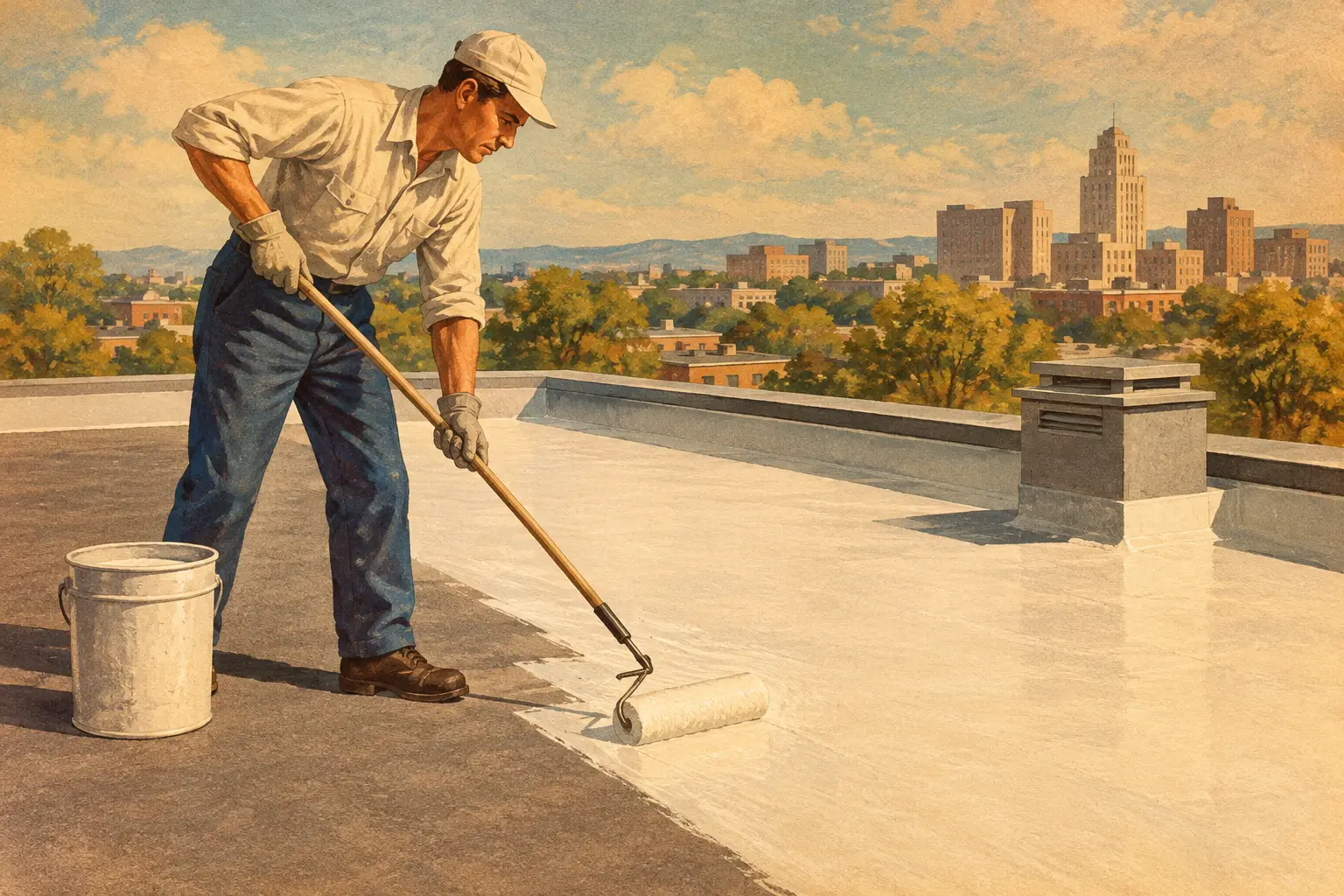
Flat roof coatings are liquid-applied materials that cure into a continuous protective membrane over an existing low-slope roof. Unlike a new roof system that may require tear-off or new membrane installation, a coating is applied over an eligible existing roof to reinforce its weathering surface.
A properly installed coating can help seal small surface cracks, protect the roof from ultraviolet exposure, and reduce the wear caused by standing water in appropriate applications. Many coatings are reflective, which can lower roof-surface temperatures during sunny weather. On commercial buildings with large roof areas, that may also support more consistent indoor comfort and reduce strain on cooling equipment during warmer months.
The main value, however, is protection. Roof membranes age from sunlight, temperature swings, ponding water, foot traffic, and ordinary exposure. A coating creates another layer between those conditions and the existing roof surface.
When a Roof Coating Is a Good Fit
The best candidates for flat roof coatings are roofs that are aging at the surface but remain fundamentally sound. The membrane should be well attached, seams should be repairable, insulation should be dry, and the roof deck should not show signs of deterioration. A coating may be a sensible option for modified bitumen, metal, single-ply, and certain built-up roof systems, but compatibility varies by material and coating type.
A property owner may consider coating when the roof is showing faded areas, minor cracking, weathered seams, or isolated leaks that can be repaired before the coating work begins. It can also be a strong option when a business needs to avoid the expense and disruption of a premature replacement.
That said, visible roof wear is only part of the picture. Water can travel beneath a membrane and appear inside a building far from its entry point. An experienced roofing inspection should check seams, penetrations, drains, flashings, edges, and the condition of the substrate before anyone recommends a coating.
Situations Where Coating Is Not the Right Answer
A coating should not be used to cover serious roofing problems. If the roof has widespread wet insulation, large sections of loose or damaged membrane, recurring leaks from failed details, structural concerns, or severe ponding caused by poor slope, replacement or more extensive repair may be the better investment.
Applying a coating over trapped moisture can make future repairs more difficult and may allow damage to continue below the surface. A lower upfront cost does not help if the roof system underneath is already compromised. Straightforward recommendations matter because your roof protects the building, inventory, equipment, and the people inside it.
Choosing Among Flat Roof Coatings
Not every coating handles weather and water in the same way. The existing roof material, roof slope, drainage performance, building use, and expected traffic all affect the choice.
Acrylic coatings are commonly used for their reflectivity and value. They perform well on roofs that drain effectively, but standing water can be a concern depending on the product and conditions. Silicone coatings are known for strong resistance to ponding water and ultraviolet exposure, making them a consideration for roofs where drainage is less than ideal. They can also collect dirt over time, which may affect their reflectivity.
Polyurethane coatings are often selected where a roof sees more foot traffic or needs high impact resistance. They are typically more durable in demanding conditions, though they may carry a higher material and installation cost. In some cases, a contractor may recommend a system using more than one coating type, such as a durable base layer with a reflective topcoat.
The best coating is not simply the one with the longest warranty or the lowest price. It is the system designed for the roof already on your building. Proper adhesion testing and manufacturer-approved preparation are just as important as the product selected.
Preparation Determines How Well a Coating Performs
Most coating failures begin before the coating is applied. Dirt, moisture, loose material, and unaddressed roof damage can prevent adhesion and shorten the system’s life. Professional application begins with cleaning the roof surface and identifying every area that needs repair.
Seams, flashings, roof penetrations, drains, parapet walls, and transitions receive close attention because these are common locations for leaks. Cracks and failed details are repaired, and reinforcement fabric may be installed in areas that need added strength. The surface must then be dry and properly prepared before primer or coating is applied.
Application conditions matter in the Black Hills. Temperature, humidity, wind, and the chance of rain can affect curing. A reliable contractor schedules the work around the product requirements and monitors the forecast rather than rushing material onto a roof that is not ready. This is especially important in a region where weather can change quickly.
Coatings are applied at a specified coverage rate, not just rolled on until the roof looks white or uniform. The finished system needs the correct dry-film thickness to provide the protection it was designed to deliver. Organized preparation, consistent application, and a clean job site all play a part in the final result.
Drainage Still Comes First
The name “flat roof” can be misleading. Most commercial and low-slope roofs are designed with at least some slope to move water toward drains, scuppers, or gutters. When that drainage is blocked or inadequate, water remains on the roof longer and adds stress to any roofing system.
Before coating a roof, address leaves, sediment, damaged drains, and clogged outlets. If water consistently ponds in the same locations after normal drying time, the roofing professional should evaluate whether localized repairs, added drainage, or slope correction is needed. A coating can resist water, but it cannot solve a drainage design problem by itself.
This is also where exterior systems work together. Gutters, downspouts, scuppers, and roof drains should direct water away from the building in a controlled way. Managing water at the roofline helps protect not only the roof but also siding, foundations, walkways, and landscaping.
Protecting a Coated Roof Over Time
A coated roof still needs routine attention. Building owners and property managers should arrange periodic inspections, particularly after hail, high winds, heavy snow, or major temperature shifts. Seasonal checks help identify debris buildup, damaged sealant, punctures from service work, and developing drainage issues before they become interior leaks.
Avoid allowing other trades to walk across the roof without a plan. HVAC service, satellite work, and other maintenance can create punctures or damage flashings when technicians are not careful. Walk pads may be appropriate in service areas that receive regular foot traffic.
Keep records of inspections, repairs, and maintenance. For commercial owners, clear documentation supports budgeting and gives future decision-makers a better understanding of the roof’s condition. For homeowners with a low-slope section over an addition, porch, or garage, it provides a useful history if a repair or replacement decision comes later.
A Practical Decision for Black Hills Property Owners
The choice between coating, repair, and replacement should be based on roof condition, not guesswork. A coating can be a cost-effective way to extend the life of an eligible roof, but only after repairs and moisture concerns have been addressed. Replacement may cost more initially, yet it can be the wiser path for a roof that has reached the end of its service life.
Good Guys Exteriors approaches that decision with the same care we would want for a neighbor’s property: inspect the roof thoroughly, explain what we find clearly, and recommend work that protects the investment for the long term. Whether you manage a commercial building or own a home with a low-slope roof section, the next useful step is a professional assessment before small surface wear turns into a larger water problem.