
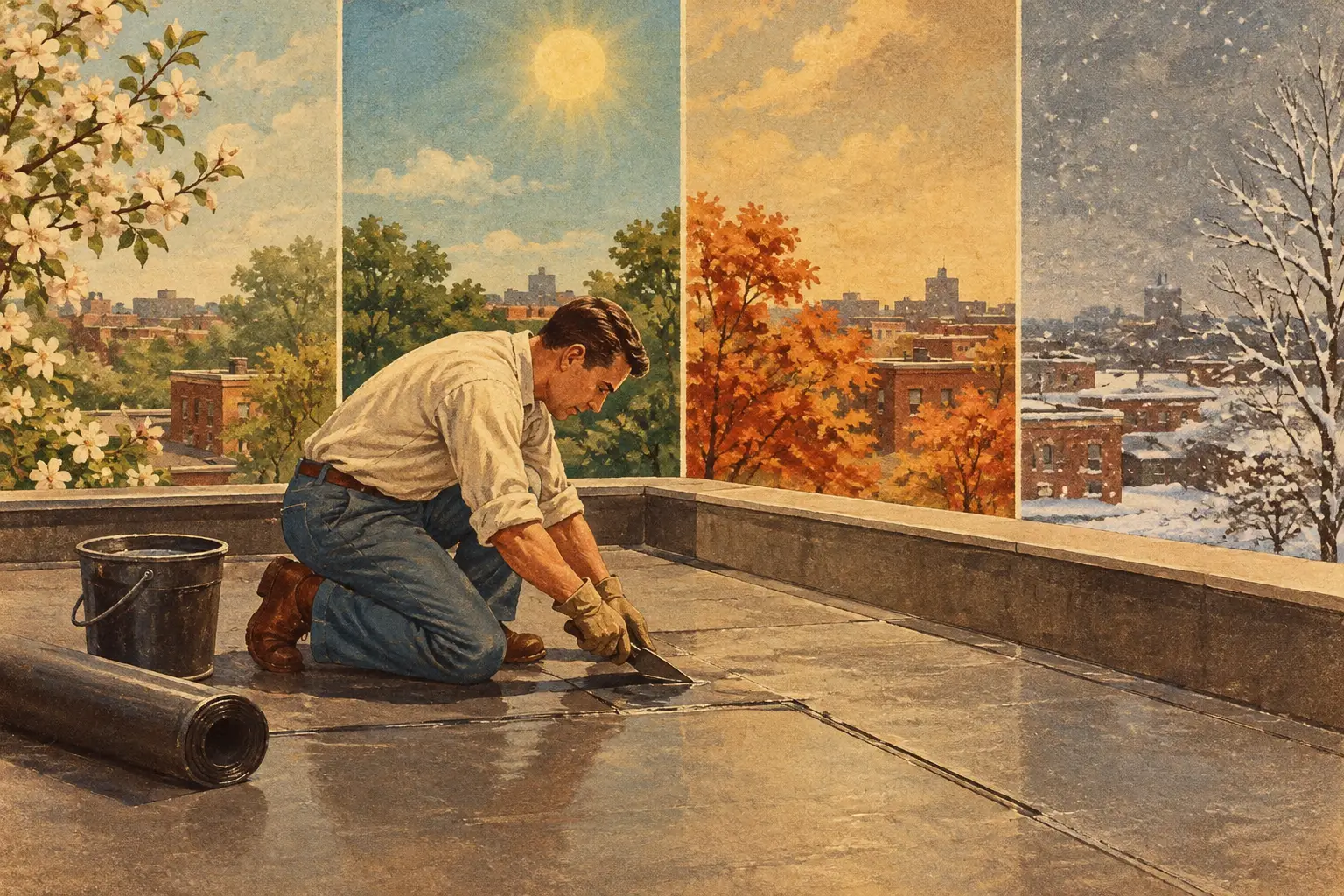
How to Maintain Flat Roofs Through Every Season
A flat roof can be a dependable, long-lasting part of a home or commercial building, but it cannot be ignored. Learning how to maintain flat roofs is especially valuable in Rapid City and throughout the Black Hills, where snow, hail, strong winds, intense sun, and fast temperature changes can all test a roofing system. Consistent attention helps property owners catch small concerns before water reaches insulation, decking, ceilings, or business operations below.
Flat roofs are not truly flat. They are built with a slight slope that moves water toward drains, scuppers, or gutters. When that drainage path is blocked or the roofing surface develops an opening, standing water can turn a minor repair into a costly problem. A practical maintenance plan protects the investment and gives owners a clearer picture of when professional repair or replacement is needed.
How to Maintain Flat Roofs With Regular Inspections
The simplest maintenance habit is to inspect the roof at least twice each year – once in spring and once in fall. It is also wise to inspect it after a major hailstorm, high-wind event, or unusually heavy snow. Property owners should not walk on a roof unless they can do so safely and without damaging the membrane. A view from the ground, upper-level windows, or a safe access point can still reveal many warning signs.
Look for areas where water remains more than 48 hours after a rainfall or snowmelt. Ponding water may indicate a clogged drain, low spot, damaged insulation, or an issue with the roof’s slope. A small amount of temporary water may not mean the roof has failed, but recurring puddles deserve attention because they put added stress on seams and roofing materials.
Also watch for loose flashing around vents, skylights, HVAC curbs, parapet walls, and roof edges. These transitions are among the most common locations for leaks. On the interior, check ceilings and upper walls for staining, peeling paint, damp insulation, musty odors, or new discoloration. Water can travel away from the original roof opening, so the visible interior sign is not always directly below the source.
For commercial properties, keep a written roof log. Record inspection dates, weather events, repairs, photos, and any areas that need monitoring. This creates useful history for budgeting, warranty discussions, insurance documentation, and future maintenance decisions.
Keep Drainage Paths Clear
Drainage is the working system behind every flat roof. Leaves, pine needles, gravel, branches, trash, and even windblown dirt can block roof drains and scuppers. Once water backs up, it can enter seams, rise behind flashing, or overflow onto siding and foundation areas.
Clear visible debris from drains, scuppers, gutters, and downspouts during seasonal inspections. Make sure downspouts discharge away from the building and are not crushed, disconnected, or blocked at the bottom. On a commercial roof with internal drains, the drain strainers need to remain in place and clear. Removing a strainer may seem like an easy fix for slow drainage, but it can allow larger debris to enter the system and create a more difficult blockage below the roofline.
In the Black Hills, drainage maintenance becomes even more important during fall and spring. Autumn debris can build up quickly before winter, while spring thaw can expose drainage issues that were hidden under snow and ice. If water repeatedly ponds in the same area, cleaning alone is not enough. A roofing professional should determine whether the problem is a drain issue, a low section of the roof, deteriorated material, or a larger design concern.
Address Small Damage Before It Spreads
Flat roofing systems commonly use materials such as EPDM, TPO, PVC, modified bitumen, or built-up roofing. Each system has different strengths and repair methods, so a patch that works on one material may not be appropriate for another. Using the wrong adhesive, sealant, or patch material can create a short-term cover while allowing moisture to continue moving beneath the surface.
Call for a professional inspection if you notice cracking, bubbling, open seams, punctures, exposed substrate, lifted edges, or deteriorated flashing. Blisters and bubbles do not always require immediate replacement, but they should be evaluated. Their urgency depends on whether the membrane remains intact, whether moisture is trapped beneath it, and whether the area is growing.
Avoid letting untrained contractors, delivery crews, or building occupants make quick roof repairs with general-purpose caulk, duct tape, or incompatible coatings. These temporary measures can make a professional repair more difficult later. A qualified roofer can identify the roofing material, locate the actual source of the leak, and recommend a repair that is compatible with the existing system.
Manage Foot Traffic and Rooftop Equipment
Many flat roofs carry more than weather. Commercial buildings often have HVAC units, vents, satellite equipment, and service pathways. Residential flat or low-slope roofs may also provide access to mechanical equipment. Every person who crosses the roof creates a chance for punctures, scuffs, displaced seams, or damaged flashing.
Limit roof access to authorized people and require service technicians to use designated walk pads when they are available. If HVAC contractors frequently work on the roof, walk pads may be a worthwhile addition because they help protect high-traffic areas of the membrane. Ask technicians not to drag tools, set sharp equipment directly on the roof, or leave fasteners and debris behind.
After any rooftop service, take a quick look at the work area. A misplaced screw or a dropped tool can create a small puncture that is easy to repair early and expensive to overlook.
Prepare for Black Hills Weather
Snow and ice deserve a measured approach. Heavy, drifting snow can add substantial weight, especially near parapet walls, rooftop equipment, and areas where wind pushes snow into deep piles. If snow loads appear unusually high or the building shows signs of stress, such as new ceiling cracks, sagging, or sticking doors, contact a qualified professional promptly. Do not send someone onto an icy roof without proper safety training and equipment.
Ice dams are more commonly associated with sloped roofs, but ice can still interfere with flat-roof drainage. Frozen scuppers, drains, and downspouts prevent meltwater from leaving the roof. Never use sharp tools, open flames, or aggressive chopping to clear ice from roofing material. Those methods can cut the membrane or create fire and safety hazards.
Hail is another local concern. Hail damage is not always obvious from the ground, and it may not create an immediate leak. It can bruise or fracture some roofing materials, weaken seams, or damage rooftop components. Arrange an inspection after a significant hailstorm, particularly if nearby property or vehicles show clear impact damage. Early documentation helps owners make informed decisions about repair, insurance, and ongoing monitoring.
Know When Maintenance Is No Longer Enough
Routine maintenance can extend a roof’s service life, but it cannot correct widespread aging, saturated insulation, repeated leaks, or a roofing system that has reached the end of its useful life. The goal is not to repair indefinitely. It is to spend wisely on the right level of work for the condition of the roof.
Repeated repairs in several areas, broad membrane deterioration, persistent ponding water, or moisture entering the building are signs that a full assessment is needed. A professional inspection can separate an isolated repair from a larger replacement project and explain the options in plain terms. For commercial property owners, this also supports better capital planning and helps avoid emergency work that disrupts tenants or operations.
Good Guys Exteriors understands that a roof is not just another building component. It protects families, employees, inventory, equipment, and the work that happens beneath it. A clean, organized inspection and a clear repair plan give property owners the information they need without guessing.
A flat roof does not need constant worry, but it does need regular care. Keep water moving, pay attention after severe weather, and address small changes while they are still small. That steady approach is one of the best ways to protect your property through every Black Hills season.