
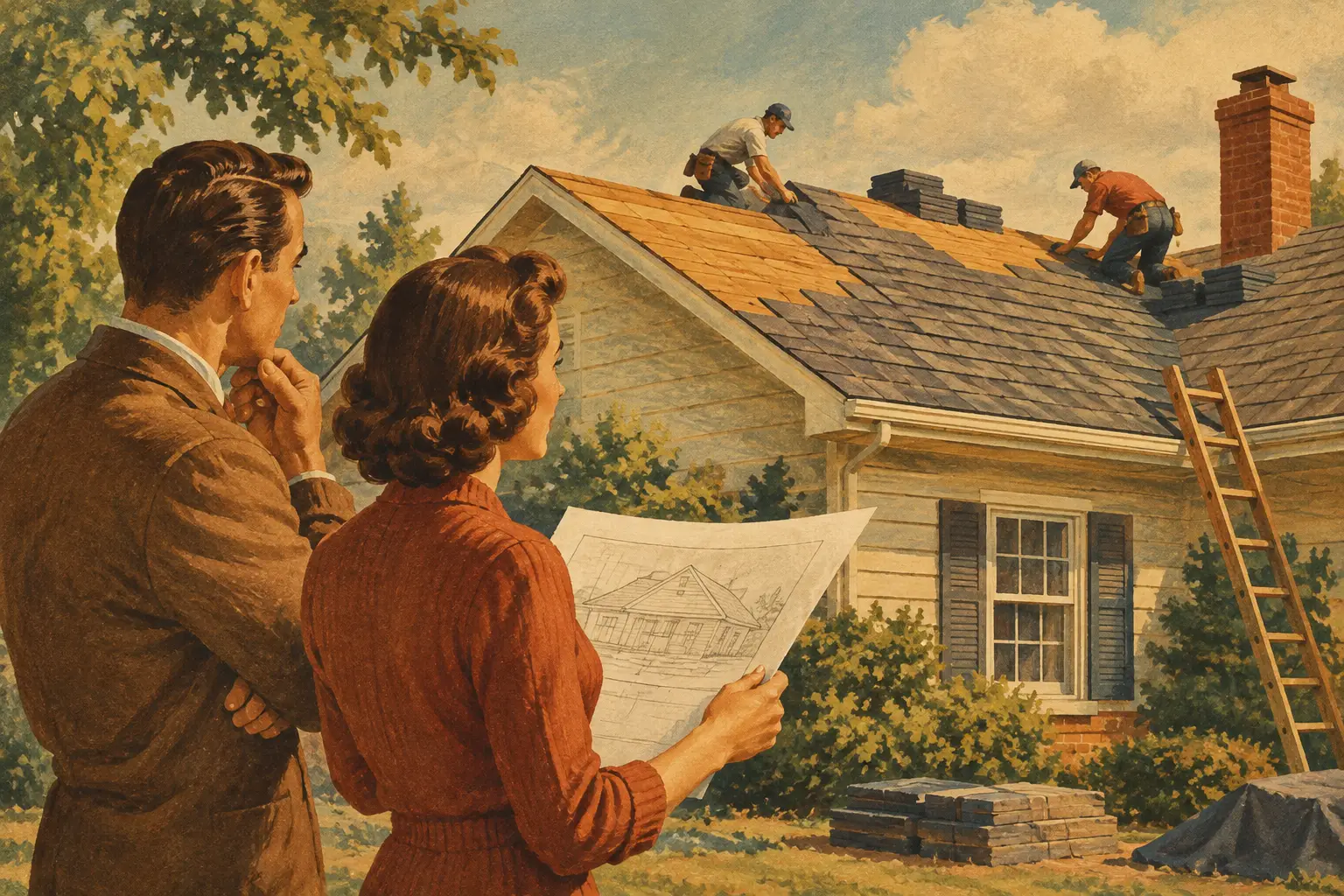
How to Prepare for Roof Replacement Work
A roof replacement is a major project, but it should not feel like a surprise taking over your property. A little planning protects your belongings, helps the crew work safely, and makes the process easier for everyone involved. If you are wondering how to prepare for roof replacement, focus on access, protection, communication, and a realistic plan for the day work begins.
For homeowners and property managers in Rapid City and the Black Hills, preparation matters even more when weather can change quickly. Your contractor will handle the roofing work, but a prepared property helps keep the job organized and reduces avoidable delays.
How to Prepare for Roof Replacement Before Installation Day
Start by confirming the project details with your contractor. You should know the expected start date, approximate work hours, where materials will be delivered, where the dumpster or trailer will sit, and who to contact if you have a question during the job. Roofing schedules can shift because of rain, wind, material availability, or unexpected deck repairs found after the old roof comes off. Clear communication helps you plan without assuming every part of the job is fixed until conditions are right.
Ask about access to the roof and driveway. Crews need room for vehicles, ladders, material deliveries, and debris removal. If you normally park in the garage or driveway, move vehicles to the street or another safe location before the crew arrives. This prevents damage from falling debris and ensures you can leave if needed while work is underway.
For commercial properties, preparation should also account for tenants, customers, deliveries, and staff. Let people know when the project is scheduled and identify entrances or parking areas that may be temporarily affected. A roof replacement can be completed with minimal disruption when expectations are set early, but it is still an active construction site.
Protect the Areas Around Your Home
Roofing materials and old shingles have to come down from above. Professional crews use tarps, catch systems, and careful cleanup practices, but homeowners can make a meaningful difference by clearing the work zone in advance.
Move patio furniture, grills, potted plants, garden decorations, play equipment, and other loose items away from the house. Give the crew as much open space as possible around the perimeter. If an item is too heavy to move, point it out during the pre-project walk-through so the crew can plan around it.
Landscaping deserves special attention. Trim back low branches that touch the roof or block access where practical. Covering delicate shrubs may be appropriate in some areas, but ask your contractor before placing coverings that could trap heat or break branches. In many cases, moving containers and marking special plants is more useful than covering everything.
Inside, remove fragile wall hangings, mirrors, or shelves that could shift from vibration. The pounding involved in removing old shingles and fastening new materials can travel through walls and ceilings, especially in older homes. It is also wise to secure items on shelves and move valuables away from attic access areas.
Check the Attic Before Work Begins
Your attic is one of the easiest places to overlook. Roofing work can loosen dust or small debris that has collected around roof decking, vents, and insulation. Cover stored belongings with sheets or tarps, especially items you do not want exposed to dust.
If you use the attic for storage, create a clear path to any area the contractor may need to inspect. Let the project manager know about signs of existing leaks, damp insulation, pest activity, or wiring concerns. These details can help the crew identify problems that may affect the replacement.
Plan for Noise, Pets, and Daily Routines
A roof replacement is noisy. There will be footsteps overhead, tools, air compressors, deliveries, and the sound of old material being removed. Most homes remain safe to occupy during the work, but comfort is another matter.
If you work from home, have important calls, care for young children, or need a quiet environment, consider making alternate arrangements for at least the busiest portion of the day. This is particularly helpful during tear-off, which is often the loudest stage.
Pets need a plan too. Dogs may become stressed by unfamiliar workers and constant noise, while cats may hide or try to slip outside when doors or gates are in use. Keep pets indoors in a quiet room, arrange for them to stay with family, or use boarding or daycare if that is the best fit. Tell the crew about pets, and make sure gates are secured.
Also consider your neighbors. A quick heads-up about the project start date is a neighborly gesture, especially if homes are close together or shared access points are involved. They will appreciate knowing that vehicles, deliveries, and noise are temporary.
Make Access Easy and Safe
Before the crew arrives, unlock gates and remove locks or obstacles that block access to the sides and rear of the building. Keep driveway and sidewalk areas clear. If your home has a pool, pond, solar equipment, satellite dish, or another feature near the roofline, mention it before the project begins.
Provide any necessary instructions for parking, gated communities, building access, or alarm systems. For commercial sites, identify the person authorized to make on-site decisions if the property manager will not be present.
Safety also means setting boundaries for your household. Keep children away from the work area, and do not walk beneath active roof edges or near debris containers. Even after the crew has cleaned an area, wait for confirmation before allowing children or pets to play there.
Prepare for the Cleanup Process
A dependable roofing crew will protect the property and conduct a thorough cleanup, including checking for loose nails with magnetic tools. Still, cleanup works best when the area is not crowded with toys, equipment, vehicles, or dense outdoor clutter.
Before work starts, take a few photos of your exterior, landscaping, driveway, and outdoor fixtures. This is not about expecting trouble. It simply gives you a clear record of pre-project conditions and makes it easier to discuss any questions calmly if they arise.
After the project, walk the property with the contractor if possible. Look over the roof from the ground, check gutters and downspouts, and inspect the yard, driveway, and outdoor living areas. Ask about material warranties, workmanship coverage, attic ventilation, and any maintenance recommendations for your new roof.
A Simple Day-Before Checklist
The evening before your roof replacement, make sure vehicles are moved, outdoor belongings are cleared from the home, pets have a safe plan, and gates or access points are ready. Cover attic storage, secure fragile interior items, and confirm the best contact number for your project lead.
If weather changes or you need to adjust access plans, communicate early. Roofing is physical, weather-dependent work, and a good contractor will value a direct conversation more than last-minute uncertainty.
A new roof is an investment in the safety and long-term performance of your property. With the site ready and the right team in place, you can spend less time managing disruptions and more time looking forward to a home or building that is ready for the seasons ahead.