
Roof Leak Solutions That Stop Damage Early
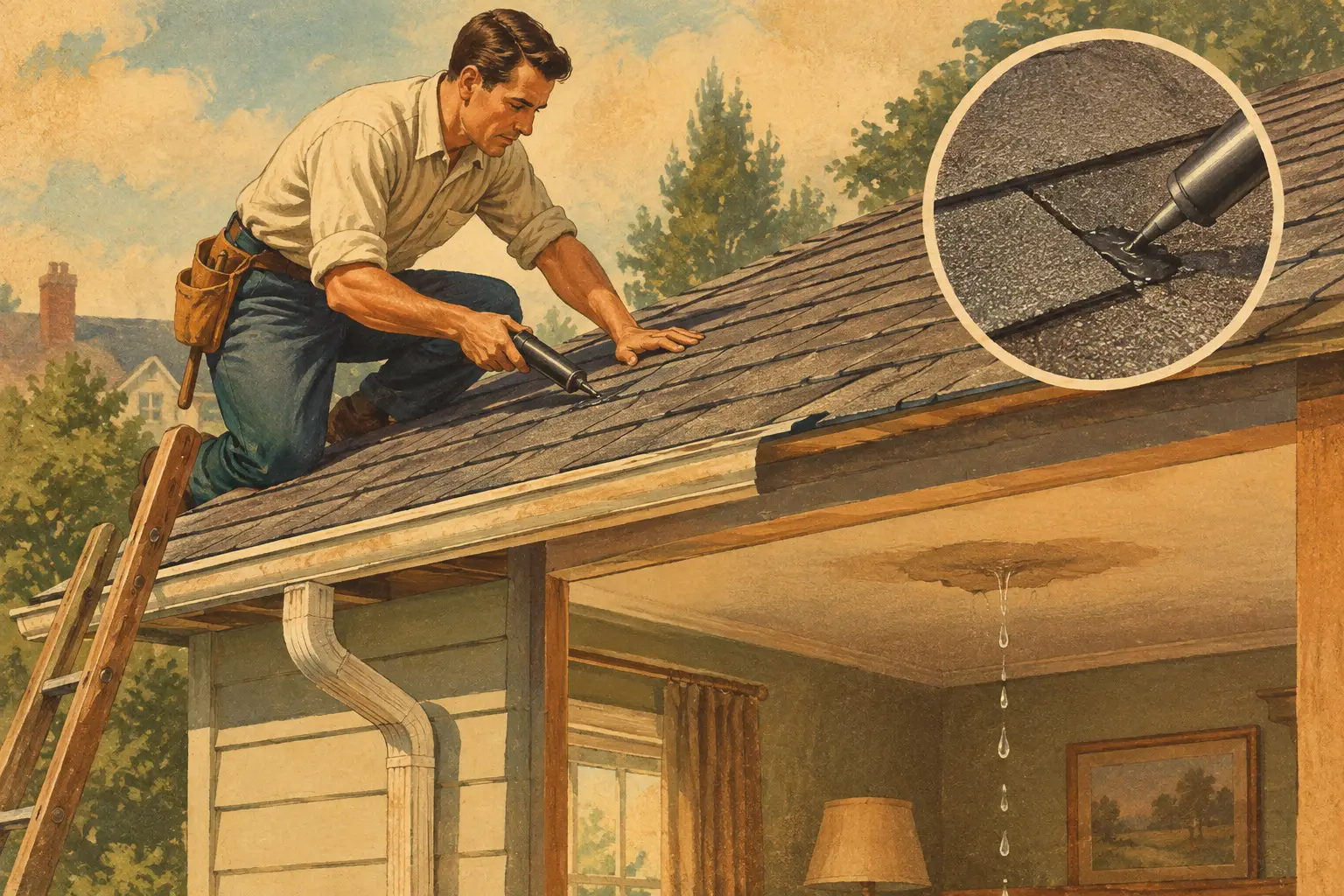
A water spot on the ceiling rarely tells the whole story. By the time moisture becomes visible indoors, it may have traveled across roof decking, insulation, rafters, or wall cavities. Effective roof leak solutions begin with limiting damage quickly, then identifying the actual point where water is getting past the roofing system.
For homeowners, landlords, and commercial property managers in Rapid City and throughout the Black Hills, a roof leak deserves prompt attention. Our changing weather can put roofs through wind, hail, snow, freeze-thaw cycles, and intense sun. A small opening around a vent, flashing detail, or damaged shingle can become a larger repair if water continues to work its way beneath the surface.
Start by Containing the Water Safely
The first priority is protecting people and limiting interior damage. Move furniture, electronics, inventory, or other valuables away from the affected area. Place a container beneath active drips and use towels to catch splashing. If a ceiling is sagging or holding a visible pocket of water, stay clear of it. Wet drywall can fail without much warning.
Do not climb onto a wet, icy, or storm-damaged roof to investigate. A quick look from the ground may reveal missing shingles, lifted flashing, or tree debris, but a close roof inspection is safer when completed by an experienced professional with the right equipment.
If water is near light fixtures, outlets, or electrical equipment, turn off power to that area if it can be done safely. For commercial properties, protect the affected space and notify occupants or tenants as needed. A controlled response can prevent a roofing issue from becoming a safety issue or a costly interruption to your operations.
Why the Leak Is Not Always Above the Stain
Water follows the path of least resistance. It can enter near a roof penetration and travel several feet before it drips from a ceiling seam. On sloped roofs, the visible stain may be downhill from the source. On low-slope commercial roofs, ponding water, open seams, damaged membrane areas, or clogged drainage can allow moisture to spread beneath the surface.
That is why a proper inspection looks beyond the stained drywall. A contractor should examine the roofing material, flashing, valleys, ridge areas, pipe boots, skylights, chimneys, vents, gutters, and drainage paths. Inside the property, they may also inspect the attic or upper ceiling area for wet insulation, darkened wood, mold growth, or daylight coming through the roof deck.
Wind-driven rain can make diagnosis more complicated. A roof may perform normally during a light rain but leak when strong winds push water beneath loose shingles or into vulnerable flashing details. Snow and ice can create another set of problems when melting water backs up at roof edges. The right repair depends on what the inspection reveals, not just where the water appeared indoors.
Roof Leak Solutions Should Match the Cause
A repair that stops a leak today but ignores the underlying issue can lead to more trouble next season. The best solution depends on the roof’s age, material, condition, and the extent of moisture damage.
Damaged or Missing Shingles
Cracked, torn, curled, or missing shingles can expose the underlayment and roof deck to water. Replacing affected shingles may be enough when the surrounding roofing remains in good condition. However, matching older shingles can be difficult, and widespread wind or hail damage may make a larger repair or replacement the more sensible investment.
Failed Flashing and Roof Penetrations
Many leaks begin where the roof meets another component. Flashing around chimneys, walls, skylights, valleys, and vents must direct water away from openings. Pipe boots can crack with age, sealant can fail, and flashing can loosen after severe weather. These repairs are often straightforward when caught early, but they need to be installed correctly so water sheds properly instead of being trapped beneath roofing materials.
Valleys, Dormers, and Complex Roof Areas
Roof valleys handle a large amount of runoff. Debris buildup, worn materials, or improperly installed valley protection can cause water to work under shingles. Dormers and wall intersections also require careful flashing details. These are not areas where adding a bead of caulk should be considered a long-term fix. Sealant has a role in roofing, but sound water management depends on proper layers, overlaps, and drainage.
Low-Slope and Commercial Roofing Issues
Commercial roofs often use membrane systems rather than shingles. Leaks may be caused by punctures, seam separation, failing edge details, damaged penetrations, or inadequate drainage. Standing water can accelerate wear and reveal weaknesses in a roof system. A focused repair may be appropriate for an isolated problem, while repeated leaks or widespread membrane deterioration may point to restoration or replacement planning.
Ice Dams and Attic Moisture Problems
Ice dams occur when snow melts on a warmer portion of the roof and refreezes near colder eaves. The ice can block normal drainage, allowing water to back up beneath roofing materials. Removing visible ice without addressing ventilation, insulation, or heat loss may only treat the symptom. In some cases, what appears to be a roof leak is also connected to condensation from poor attic airflow or indoor humidity.
When a Repair Makes Sense and When Replacement Is Better
A roof repair is often the right choice when the damage is isolated and the overall roof still has useful life ahead. Replacing a damaged pipe boot, repairing flashing, or addressing a limited shingle loss can restore protection without the cost of a full replacement.
Replacement becomes worth serious consideration when leaks keep returning, roofing materials are broadly worn, the deck has sustained significant damage, or the roof is near the end of its expected service life. For property owners, the decision is not simply repair versus replacement. It is about avoiding repeated emergency calls, interior repairs, business disruption, and the risk of a larger failure during the next major storm.
A professional inspection should give you a clear explanation of the condition, the recommended scope, and the reason behind it. Be cautious of anyone who promises a permanent fix without inspecting the roof system and the areas around the leak. Good roofing work is based on evidence, not guesswork.
Do Not Let Gutters Create a Roofing Problem
Gutters are part of your property’s water-management system. When they are clogged, damaged, undersized, or pulling away from the roofline, runoff can spill over the edge and soak fascia, siding, foundations, and landscaping. In colder weather, poor drainage can contribute to ice buildup near the eaves.
Keep gutters and downspouts clear, especially after wind events and during fall leaf drop. Make sure downspouts discharge water away from the building. If you notice overflowing gutters, water marks on siding, rotted trim, or erosion near the foundation, the system may need more than a routine cleaning.
Protect Your Roof Before the Next Storm
The most affordable leak is often the one prevented through regular maintenance. A visual check from the ground after major storms can help you spot missing shingles, loose metal, fallen branches, or gutter damage early. Property owners should also watch for ceiling stains, peeling paint, musty odors, unexplained increases in attic moisture, or granules collecting near downspouts.
Schedule a professional inspection when your roof has been hit by hail or high winds, when you see a new interior stain, or when the roof is reaching the later years of its service life. Commercial property managers may benefit from planned seasonal inspections, particularly before winter and after severe weather, because small membrane or drainage concerns are easier to address before they affect tenants or operations.
Good Guys Exteriors approaches roof repairs with the same care we would want for a neighbor’s property: clear communication, organized work areas, and recommendations based on the condition of the roof. If water has found its way inside, acting early gives you more options to protect the building, the people in it, and the investment you have worked hard to maintain.