
Roof Repair Methods That Protect Your Property
A small ceiling stain after a Black Hills storm can be easy to dismiss. But water rarely enters a roof directly above the spot where it appears indoors, and a minor opening can let moisture travel through decking, insulation, and framing before anyone sees the damage. The right roof repair methods address the source of the problem, not just the visible symptom.
For homeowners, landlords, and commercial property managers, a sound repair decision starts with an honest assessment of the roof’s age, material, damage pattern, and overall condition. Some issues can be resolved with focused repairs that add years of service. Others signal that continued patching will cost more than a planned replacement. Knowing the difference protects your property, budget, and peace of mind.
Start With a Complete Roof Inspection
A reliable repair begins with more than a look at a missing shingle from the ground. A professional inspection examines the roof surface, flashing, penetrations, valleys, vents, gutters, and drainage paths. It should also include the attic or interior areas when accessible, since moisture marks, damp insulation, and daylight near roof framing can reveal problems that are not obvious outside.
Wind, hail, heavy snow, rapid temperature changes, and strong sun all affect roofs in western South Dakota. Wind may lift shingles without fully tearing them away. Hail can bruise asphalt shingles or dent metal components. Ice buildup near eaves can force water beneath roofing materials. Each problem needs a different response, which is why a one-size-fits-all patch is rarely the best answer.
For commercial buildings, the inspection should also consider ponding water, seams, drains, rooftop equipment, and foot traffic. A low-slope roof can appear intact while a failed seam or flashing detail allows slow leaks into the building below.
Common Roof Repair Methods for Local Properties
The best repair depends on the roofing system and the extent of damage. The following methods are common, but the details matter. Matching materials, proper fastening, and correct water-shedding layers are what make a repair last.
Replacing Damaged or Missing Shingles
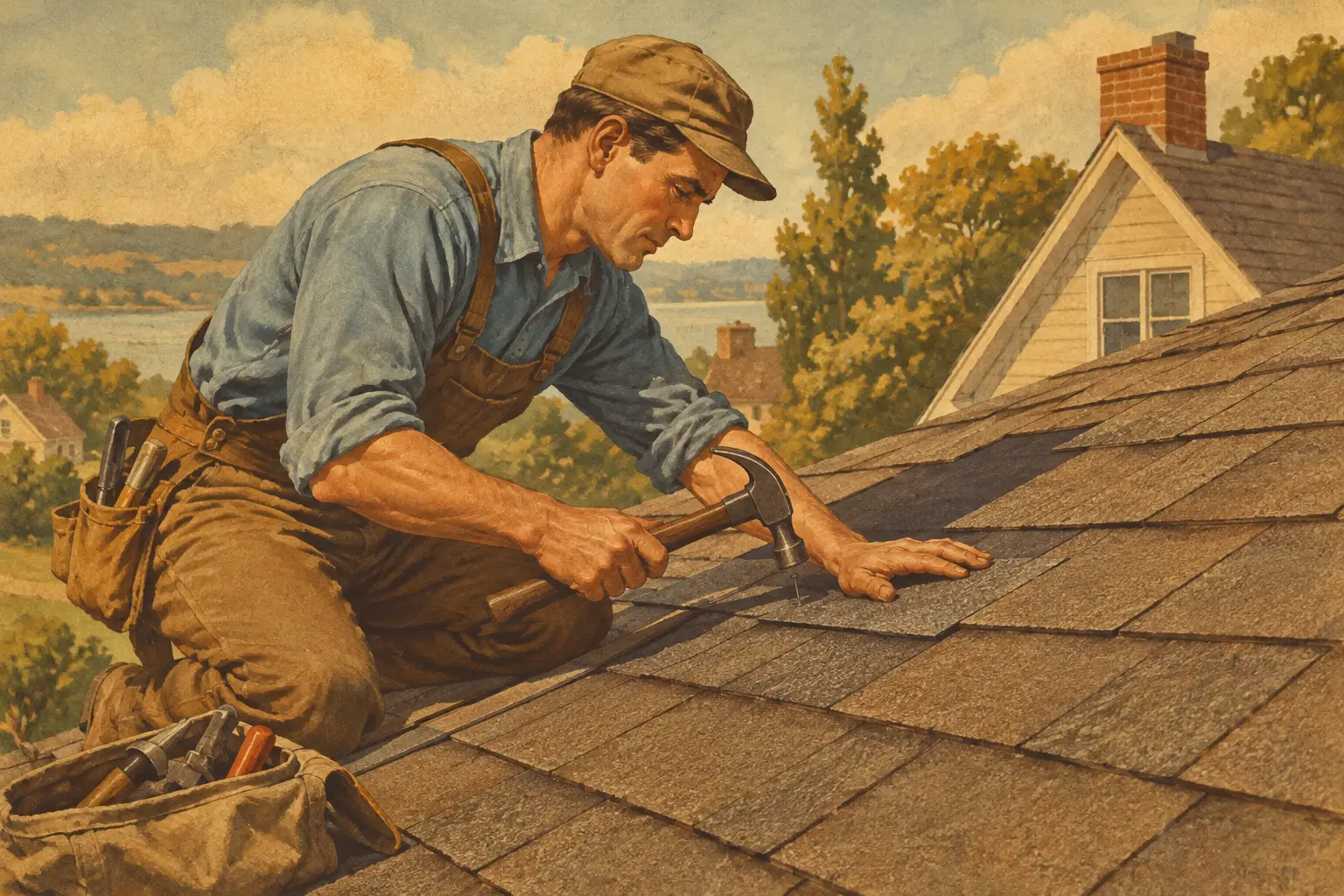
Individual shingle replacement is one of the most common repairs on asphalt roofs. A contractor removes broken, cracked, curled, or wind-lifted shingles, checks the underlayment beneath them, and installs matching replacements with the right nail placement and sealant bond.
This is often a practical solution when damage is limited to one area and the surrounding roof remains in good shape. However, replacement shingles may not perfectly match an older roof that has faded from sun exposure. More importantly, widespread brittleness or granule loss means the roof may be near the end of its service life, even if a few new shingles make it look better temporarily.
Repairing Flashing Around Vulnerable Areas
Flashing is the metal material that directs water away from roof joints and transitions. It is installed around chimneys, skylights, wall intersections, vents, and valleys. When flashing rusts, separates, bends, or loses its seal, water can enter even when the shingles themselves look fine.
Flashing repair may involve resealing a small gap, replacing damaged sections, or rebuilding the flashing system around a chimney or other penetration. This is detailed work. Applying a surface coating over failing flashing may slow a leak for a short time, but it will not correct improperly layered materials or deteriorated metal.
Sealing Roof Penetrations and Vent Boots
Plumbing vents, exhaust vents, and other roof penetrations need flexible, weather-resistant seals. On shingle roofs, the rubber boot around a plumbing vent can crack over time. A failed boot may allow water into the attic and create a stain near a bathroom, hallway, or exterior wall.
Replacing a vent boot or resealing a penetration can be a straightforward repair when caught early. If the surrounding decking has softened or the nearby shingles have been damaged during previous work, the repair should include those components as well.
Repairing Valleys and Ice-Dam Damage
Roof valleys carry a large amount of runoff because they collect water from two roof slopes. Debris buildup, worn shingles, exposed fasteners, and damaged valley flashing can all create leaks. Repair may involve replacing valley materials, improving the underlayment beneath them, and correcting damaged shingles along both sides.
Ice dams require a closer look at the entire roof system. They form when heat escaping from the home melts snow on the upper roof, then the water refreezes near colder eaves. Removing damaged materials is part of the repair, but improving attic insulation, ventilation, and air sealing can help reduce the chance of the issue returning. Roof repairs alone cannot always solve a ventilation or insulation problem.
Repairing Low-Slope Commercial Roofs
Commercial roof repairs vary by system. Single-ply membranes, modified bitumen, built-up roofs, and metal systems each have specific repair requirements. A membrane roof may need a professionally welded patch or seam repair. A metal roof may need fastener replacement, panel repair, or new sealant at penetrations and laps.
Standing water is a concern on low-slope roofs because it can accelerate material wear and expose weaknesses at seams or drains. The correct solution may be a targeted repair, improved drainage, or a larger restoration plan. Property managers should not assume that recurring leaks are isolated incidents, especially when the same area has been patched more than once.
When a Repair Is the Right Investment
Repair is generally a good choice when the roof is still structurally sound, the damage is confined to a limited area, and the materials have useful life remaining. It can restore protection after a wind event, resolve a flashing failure, or stop a leak before interior damage grows.
A repair also makes sense when a roof has been maintained consistently and has no broad signs of aging. Clean gutters, functioning downspouts, and clear drainage routes support this work by keeping water from backing up at the roof edge. Exterior systems work together, so roof performance should never be considered separately from water management.
Timing matters as well. Addressing a loose shingle, cracked vent boot, or minor flashing issue promptly is usually less disruptive and less expensive than waiting for a leak to affect drywall, flooring, inventory, or electrical components.
When Repeated Patches Point to Replacement
There is a point where continued repairs stop being the responsible long-term option. If leaks keep returning in different areas, shingles are brittle throughout the roof, decking is deteriorated, or storm damage is widespread, a full replacement may provide better value.
Age is part of the decision, but it is not the only factor. A relatively young roof can require replacement after severe storm damage, while an older roof may still be a repair candidate if its materials and structure remain sound. The key is to compare the cost of the proposed repair with the roof’s remaining useful life and the risk of future failures.
For a commercial property, this decision should also account for operational disruption. A planned replacement can often be scheduled around tenants, customers, deliveries, and business hours. Emergency leak repairs during a storm leave far less room for coordination.
Why Workmanship Matters More Than a Quick Patch
A roof repair is only as dependable as the preparation behind it. The work must remove compromised material, protect exposed areas during the project, use compatible products, and restore the roof’s intended water flow. Shortcuts such as excessive caulking, exposed fasteners in the wrong locations, or mismatched materials can create another leak path.
Good job-site practices matter, too. Property owners deserve clear communication about the scope of work, organized cleanup, and an explanation of what was found. At Good Guys Exteriors, that practical approach reflects the accountability of serving neighbors throughout Rapid City and the Black Hills.
If you notice a stain, missing material, sagging gutter line, or water entering your building, take photos from a safe location and arrange an inspection rather than climbing onto the roof yourself. A timely, well-matched repair can keep a small concern from becoming a much larger problem for the people and property you work hard to protect.