
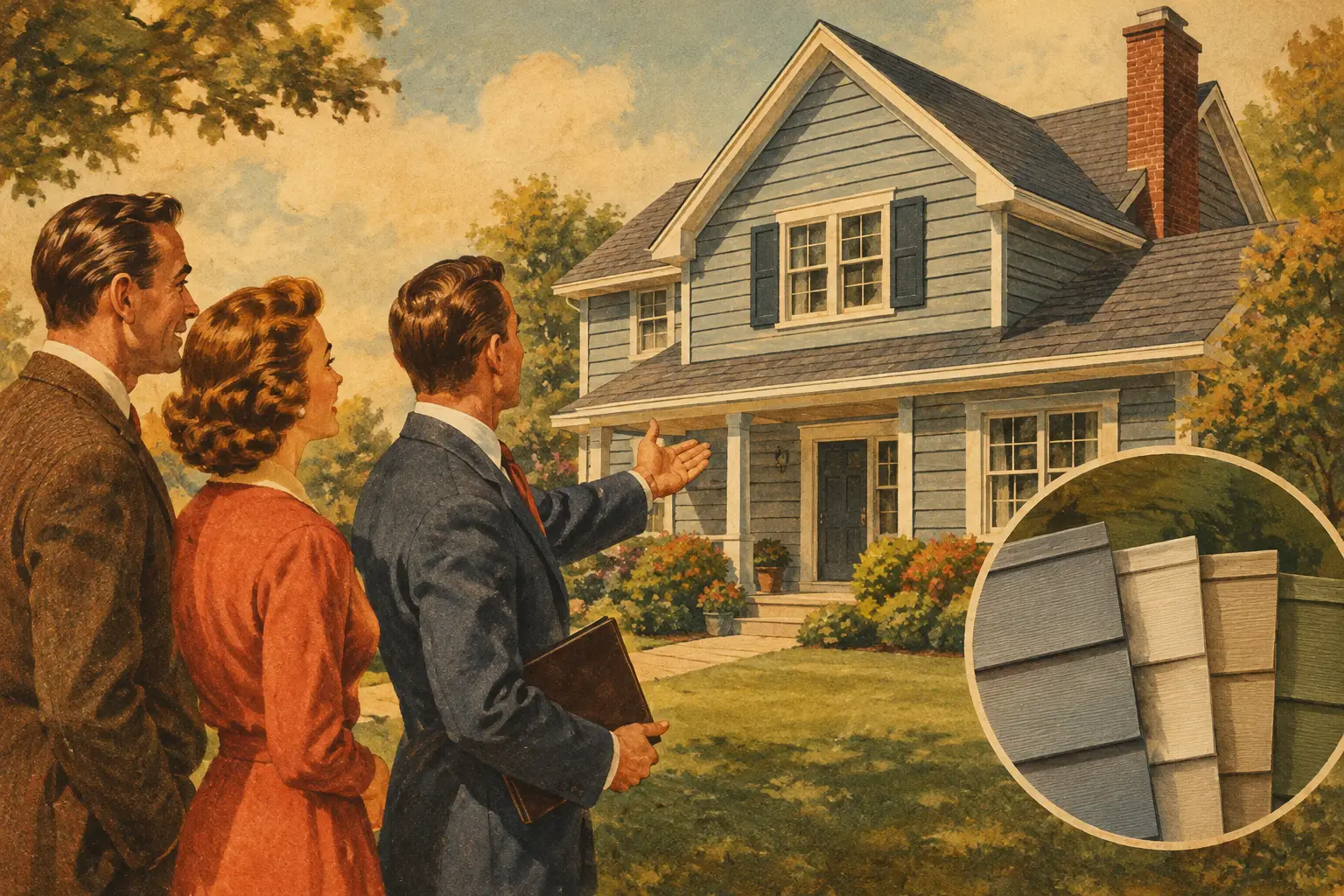
How Siding Resale Value Shapes Your Home Sale
A buyer can form an opinion about a property before they ever step inside. Faded panels, storm damage, loose trim, or peeling paint suggest deferred maintenance. Clean, well-installed siding sends a different message: this home has been cared for. That is the practical connection between siding resale value and a successful sale.
For homeowners in Rapid City and across the Black Hills, siding also does more than improve appearance. It is part of the building envelope that stands up to wind, hail, sun, temperature swings, and moisture. When it is time to sell, buyers and inspectors notice whether that protection is holding up.
What Siding Resale Value Really Means
Siding resale value is not a fixed percentage that applies to every house or every project. It is the value buyers place on a home’s condition, appearance, expected maintenance needs, and exterior protection after they see the finished work.
A full siding replacement may help a home compete more confidently with similar properties, reduce buyer objections during inspection, and improve the first impression that drives showings. Those benefits can matter as much as a simple dollar-for-dollar return. A home that looks neglected may receive fewer offers or require price reductions, even when the interior is in good condition.
The local market matters, too. In the Black Hills, buyers understand that exterior materials work hard. They may look closely at hail impact, cracking, warped panels, damaged caulking, and areas where water can get behind the siding. A properly completed project gives prospective buyers more confidence that they are not inheriting an immediate repair.
Condition Often Matters More Than the Material
Homeowners sometimes ask which siding material delivers the highest return. Material matters, but condition and installation quality often matter more. Premium siding installed poorly can still create concerns about water intrusion, loose pieces, uneven lines, or unfinished details around windows and doors.
Vinyl siding remains a popular choice because it is practical, low-maintenance, and available in many colors and profiles. Fiber cement can appeal to buyers looking for a more substantial appearance and durable performance. Engineered wood products may offer a traditional look with lower maintenance than natural wood. Each option has a place, depending on the home, neighborhood, budget, and long-term maintenance expectations.
Natural wood can be beautiful, but buyers may also consider the upkeep it requires. If paint is failing or boards show signs of rot, the character of wood siding can quickly become a negotiation point. The right choice is not always the most expensive material. It is the material that fits the property and is installed to perform well in local conditions.
Small Exterior Problems Can Become Big Buyer Concerns
Buyers do not need to be construction experts to notice a problem. They can see missing panels, dents, stains, gaps at trim, and mismatched repairs. During the inspection process, those visible issues can lead to questions about what is happening behind the siding.
Common concerns include moisture damage around windows, deteriorated trim, insect activity, inadequate flashing, and siding that has been damaged by wind or hail. Addressing these items before listing can make the sales process more straightforward. It also gives the seller a chance to choose a contractor and material instead of responding to a buyer’s repair request under deadline.
That does not mean every cosmetic mark requires a full replacement. A focused repair may be the sensible choice when the siding is otherwise sound, the damage is limited, and matching materials are available. The decision should be based on the home’s overall condition rather than a one-size-fits-all promise about return on investment.
Curb Appeal Sets the Tone Before a Showing
The front elevation carries extra weight because it is what buyers see in listing photos and when they pull up to the property. Fresh siding, straight lines, clean corners, and coordinated trim can make an older home feel more current without changing its character.
Color selection plays a role in resale, but safe does not have to mean bland. Neutral main colors with intentional trim choices tend to appeal to a broad range of buyers. Very bold colors can work on the right home, yet they may narrow the pool of people who can picture themselves living there. In a neighborhood with traditional homes, a classic color palette often supports a stronger first impression than a passing trend.
Siding should also work with the rest of the exterior. Roof color, gutters, stone or brick accents, entry doors, and garage doors should look planned rather than pieced together over time. This is where an experienced exterior contractor can help homeowners see the entire property, not just one wall at a time.
Installation Quality Protects the Investment
New siding is only as valuable as the work behind it. Proper installation includes preparation, weather-resistive barriers where needed, flashing at vulnerable transitions, correctly detailed trim, and careful work around windows, doors, rooflines, and penetrations.
These details are easy to overlook once the job is complete, but they are central to long-term performance. Water that gets behind siding can damage sheathing, insulation, framing, and interior finishes. Poorly installed siding may also move or rattle in high winds, leave visible gaps, or age unevenly.
Organized job sites and consistent communication matter here. Exterior work affects landscaping, driveways, access to the home, and daily routines. A professional crew should protect the property, keep the site as clean as possible, explain what it finds, and complete the details without cutting corners.
For sellers, documentation can be useful. Keep records of the scope of work, product information, warranties, and any related repairs completed during the project. While paperwork does not replace quality craftsmanship, it can help answer buyer questions and show that the improvement was handled responsibly.
When Replacement Makes More Sense Than Repair
Replacement may be worth serious consideration when repairs are becoming repetitive, damage is spread across multiple elevations, or the siding has reached the point where its appearance hurts the home’s marketability. It can also make sense when an exterior renovation is already underway and the roof, gutters, or trim need to be coordinated.
A full replacement is a significant investment, so timing matters. If a homeowner expects to sell immediately, the best approach depends on the home’s price range, comparable properties, and current condition. In some cases, a repair and thorough cleaning are enough. In others, leaving visibly worn or damaged siding in place can cost more in negotiations than a well-planned replacement.
Owners who expect to stay in the home for several years have a different calculation. They can benefit from the appearance, maintenance reduction, and protection now, while also improving the home’s position for a future sale. That longer timeline can make a higher-quality material or a more complete exterior project easier to justify.
Think Beyond the Siding Itself
Siding performance is connected to the rest of the exterior. Gutters that overflow or drain too close to the foundation can contribute to staining and moisture problems. Missing or poorly placed flashing can leave siding vulnerable at roof-to-wall intersections. Damaged roof components can also create leaks that appear to be a siding issue.
Before investing in a replacement, look at the full exterior system. A careful inspection can identify whether the real issue is isolated damage, drainage, roof runoff, failing trim, or a combination of concerns. Coordinating the work can prevent a new siding project from being compromised by an unresolved problem nearby.
For commercial property owners and landlords, this bigger-picture approach is especially useful. Clean, durable exteriors support tenant confidence, reduce maintenance calls, and help protect the building’s long-term value. The material and design may differ from a single-family home, but the principle is the same: a well-maintained exterior signals responsible ownership.
A Practical Way to Plan for Better Resale
Start with an honest assessment of what buyers will see. Walk the property from the street, then inspect the walls, trim, corners, and areas around windows and doors. Look for damage, fading, separation, stains, soft spots, and repairs that do not match.
Next, consider the market position of the property. A modest home does not need an overbuilt exterior package to sell well, but it should not look substantially more worn than competing homes. Likewise, a higher-end home may benefit from materials and details that better match buyer expectations in its price range.
Finally, choose workmanship and clear communication over a bargain that leaves details unfinished. Good Guys Exteriors approaches siding as part of the protection your property depends on, not just a cosmetic update. The goal is a clean, durable result that looks right now and gives future buyers fewer reasons to hesitate.
If your siding is showing its age, the most useful next step is a professional evaluation before problems become a rushed repair or a last-minute sales concession. A well-cared-for exterior gives buyers a reason to step inside with confidence.